
Workplace Culture in China's Big Cities
- Date:
- Views:285
- Source:The Silk Road Echo
If you're thinking about working in China's bustling urban hubs like Beijing, Shanghai, or Shenzhen, buckle up—because the workplace culture here is a high-octane mix of tradition, ambition, and digital hustle. Forget the 9-to-5 grind; in China’s megacities, it’s more like 9-to-9 (or even 996: 9 AM to 9 PM, 6 days a week). But what exactly shapes this intense work environment? Let’s dive into the real story behind China’s corporate rhythm.
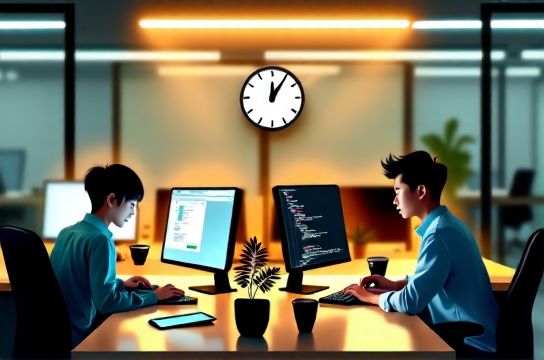
The Rhythm of Work: Fast, Fierce, and Focused
Chinese big-city workplaces thrive on speed and efficiency. In tech giants like Alibaba and Tencent, 'hard work equals honor' isn’t just a slogan—it’s a lifestyle. According to a 2023 survey by Zhaopin, over 60% of white-collar workers in first-tier cities report working more than 48 hours per week, with nearly 20% clocking in over 60 hours.
Hierarchy Meets Hustle
Respect for hierarchy runs deep. Junior employees rarely challenge seniors openly, and decision-making often flows top-down. But don’t mistake this for stagnation—innovation thrives under pressure. Team meetings might start with formal titles, but end with all-night coding sprints.
The Digital Edge
Work never stops—and thanks to apps like WeChat and DingTalk, it doesn’t have to. These platforms blend personal and professional communication, making after-hours replies almost expected. A 2022 PwC report found that 74% of Chinese professionals check work messages after dinner—a norm rarely seen in Western offices.
Work-Life Balance? It’s Evolving
While the 996 culture has drawn criticism, younger generations are pushing back. Urban professionals aged 25–35 increasingly value flexibility and mental well-being. Companies like ByteDance now offer ‘flex-days’ and mindfulness programs to retain talent.
Key Workplace Metrics Across Major Cities
| City | Avg. Weekly Hours | Overtime Rate (%) | Employee Satisfaction (1-5) | Main Industry |
|---|---|---|---|---|
| Shanghai | 52.3 | 68% | 3.2 | Finance & Tech |
| Beijing | 54.1 | 71% | 3.0 | Tech & Education |
| Shenzhen | 50.8 | 65% | 3.4 | Hardware & Innovation |
| Guangzhou | 49.6 | 62% | 3.5 | Manufacturing & Trade |
This data shows a clear trend: higher pressure in political and tech centers, slightly better balance in trade-driven cities.
Cultural Nuances That Matter
- Guanxi (关系): Relationships matter. Networking isn’t optional—it’s essential for promotions.
- Mianzi (面子): Saving face influences feedback. Criticism is often indirect to avoid embarrassment.
- Collectivism: Team success > individual glory. Group harmony is prioritized in performance reviews.
Final Thoughts
China’s big-city workplaces aren’t for the faint-hearted. They demand resilience, adaptability, and cultural sensitivity. But for those who thrive under pressure, the rewards—rapid growth, cutting-edge projects, and dynamic teams—are unmatched. As work culture slowly shifts toward sustainability, now is the perfect time to engage—with eyes wide open.