
The Pressure Cooker of Chinese Parenting: Success at Any Cost?
- Date:
- Views:258
- Source:The Silk Road Echo
Let’s be real—when you hear ‘Chinese parenting,’ what comes to mind? Tiger moms, endless tutoring, kids nailing piano recitals while barely hitting double digits? Yeah, we’ve all seen the memes. But behind the jokes is a much deeper, more intense reality: a parenting style built on sacrifice, discipline, and sky-high expectations. Welcome to the pressure cooker of Chinese parenting—where success isn’t just encouraged, it’s demanded.
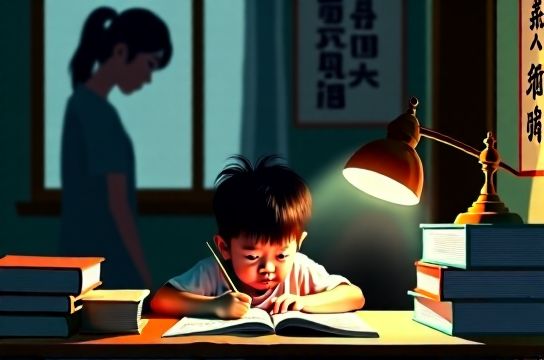
Now, before you roll your eyes or point fingers, let’s get one thing straight: this isn’t about good or bad. It’s about understanding *why* so many Chinese parents push their kids like Olympic coaches from day one. And trust me, it’s not just about bragging rights at family dinners (though, let’s be honest, that helps).
At the heart of it? A cultural mindset shaped by history, competition, and limited opportunity. In countries like China, getting into a top university isn’t just a nice bonus—it’s often the golden ticket out of poverty, the one shot at a stable, high-paying career. With millions of students taking the Gaokao (China’s brutal college entrance exam), the stakes are insane. So when parents push their kids to study 12 hours a day, it’s not (just) about being controlling—it’s survival in a system where one test can decide your entire future.
And it’s not just academics. Music, math, Mandarin, English, coding—you name it, there’s probably a cram class for it. Kids grow up juggling extracurriculars like circus performers, all while being told, 'You must be the best.' The phrase 'guang zong yao zu'—'bring glory to the family'—isn’t just tradition; it’s emotional fuel. Your success reflects on your parents, your grandparents, your ancestors. No pressure, right?
But here’s where things get complicated. While this model produces some seriously high achievers—think Ivy League admits and violin prodigies—it also comes with serious costs. Anxiety, burnout, identity crises—young adults who crushed every test but have no idea what they actually enjoy. Some psychologists even link extreme academic pressure to rising mental health issues among youth in East Asia.
And let’s talk about the emotional side. Love in these families is often shown through sacrifice: parents working overtime, giving up their dreams, moving cities for better schools. But that love can feel conditional—like affection depends on report cards. That kind of pressure? It sticks with you.
Still, times are changing. More urban Chinese parents are starting to question the grind. They’re asking: Is straight A’s worth a joyless childhood? Can my kid be happy *and* successful? We’re seeing a quiet shift toward balance—more play, emotional support, even therapy. Western ideas about self-esteem and creativity are sneaking in, especially among younger, educated parents.
So is Chinese parenting too harsh? Maybe. But it’s also born from love, ambition, and a fierce desire to give kids a better life. The real question isn’t whether to reject it entirely—but how to keep the drive without breaking the child.
In the end, every culture has its version of the pressure cooker. Ours might look different, but we all want the same thing: for our kids to thrive. Maybe the answer isn’t choosing between East and West—but finding the sweet spot where effort meets joy.