
The Gig Economy Boom in China: Freedom or Exploitation for the Young Workforce?
- Date:
- Views:279
- Source:The Silk Road Echo
China’s gig economy is exploding—and it’s reshaping how young people work, live, and survive in today’s fast-moving job market. From food delivery riders zipping through city streets to freelance designers selling their skills online, millions of young Chinese are ditching the 9-to-5 grind for flexible, app-driven gigs. But is this freedom real—or just a shiny cover for exploitation?
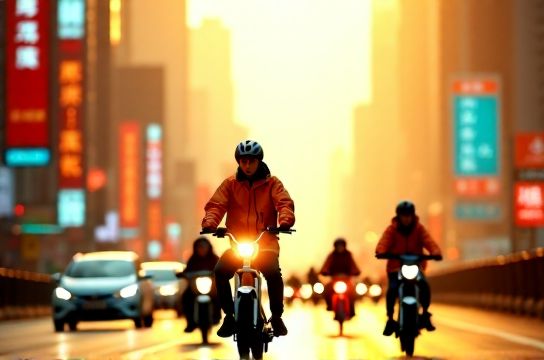
Let’s be real: the traditional job path in China isn’t what it used to be. With fierce competition, sky-high living costs in cities like Beijing and Shanghai, and fewer guaranteed jobs in big corporations, young workers are turning to gig platforms like Meituan, Elema, and DiDi for income. These apps promise flexibility—work when you want, earn as you go. Sounds perfect for students, side-hustlers, or anyone trying to chase dreams without being chained to an office desk.
And sure, there *are* wins. A college student can deliver food between classes. A recent grad can build a portfolio on Taobao or Xiaohongshu while searching for a full-time role. The gig economy offers autonomy, quick cash, and a sense of control in an unpredictable world.
But here’s the flip side: many gig workers are stuck in a cycle of long hours, low pay, and zero benefits. No health insurance. No paid leave. No job security. Riders risk accidents in heavy traffic just to meet tight delivery windows. Algorithms push productivity over well-being, penalizing delays with lower ratings and fewer orders. One wrong move, and your income drops overnight.
Worse, some companies treat gig workers as independent contractors, not employees—which means they dodge labor protections. That’s a major gray zone in China’s evolving labor laws. While the government has started talking about ‘new employment forms,’ real change is slow. Meanwhile, young workers bear the cost.
So, is the gig economy freedom or exploitation? Honestly—it’s both. For some, it’s a lifeline. For others, it’s a trap disguised as opportunity. The truth lies in balance: flexibility shouldn’t mean vulnerability. Workers deserve fair pay, safety nets, and dignity—even if they’re not on a company’s official payroll.
As China’s digital economy grows, one thing’s clear: the gig boom isn’t going away. But it’s time to ask tough questions. Who really benefits? And how do we protect the people powering this revolution?
The future of work is here—but it needs rules, respect, and real reform.