
Cycling Culture Revival in Chinese Green Cities
- Date:
- Views:325
- Source:The Silk Road Echo
Remember the days when Chinese cities looked like a sea of bicycles? Well, guess what — the two-wheeled revolution is making a major comeback, and this time, it’s greener, smarter, and way more stylish. From Beijing to Shanghai, Hangzhou to Chengdu, urban China is pedaling into a sustainable future. Let’s dive into how cycling culture is being reborn in China’s green cities — and why you should care.
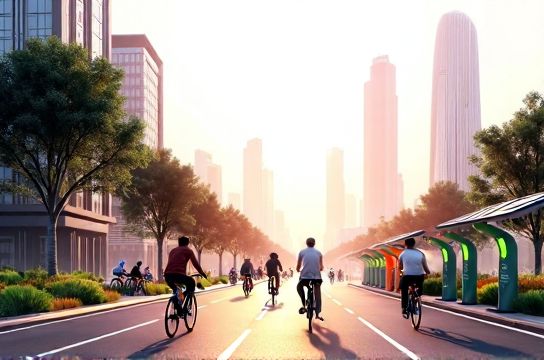
The Rise of Eco-Conscious Commuting
Gone are the days when cars symbolized progress. Today, city planners and citizens alike are embracing bikes as a key part of urban sustainability. According to the China Urban Transport Development Report, over 30 major Chinese cities have expanded bike lanes by an average of 45% since 2020. In Hangzhou alone, public bike-sharing systems serve over 800,000 rides per day — that’s more than some cities’ entire metro ridership!
But it’s not just about convenience. Cycling reduces CO₂ emissions by up to 67% compared to short car trips (source: Tsinghua University, 2023). With air quality still a concern in many urban areas, every pedal stroke counts.
Smart Bikes & Shared Wheels: The Tech Behind the Trend
You haven’t seen biking until you’ve seen China’s smart bike ecosystem. Dockless e-bikes from giants like Meituan Bike and Hellobike dominate streets with QR-code unlocks, GPS tracking, and battery-assisted power. These aren’t your grandpa’s bicycles — they’re sleek, app-connected, and designed for the digital age.
In 2023, Meituan reported 120 million registered users and over 4 billion annual rides nationwide. That’s not just popular — it’s a cultural shift.
City Spotlight: Where Cycling Shines Brightest
Let’s break down which cities are leading the charge — literally.
| City | Bike Lanes (km) | Daily Bike Shares | Cycling Modal Share* |
|---|---|---|---|
| Hangzhou | 3,500 | 800,000 | 22% |
| Shanghai | 2,800 | 1,200,000 | 18% |
| Chengdu | 2,600 | 650,000 | 20% |
| Beijing | 2,200 | 900,000 | 15% |
*Modal share = percentage of total trips made by bike
Hangzhou stands out with its integrated public bike system and scenic West Lake routes. Meanwhile, Shanghai blends high-speed commuting with leisure riding along the Huangpu River.
Why This Matters for the Future
This isn’t just nostalgia — it’s innovation. As China aims for carbon peak by 2030, urban cycling plays a crucial role. Cities are adding green corridors, bike-only traffic signals, and even solar-powered charging stations for e-bikes.
Plus, there’s a social bonus: cycling improves mental health, cuts congestion, and builds community. A 2022 survey found that 68% of regular cyclists in Chinese cities report higher daily happiness levels. Now that’s a win-win.
How to Join the Movement
Whether you're a local or a visitor, hopping on a shared bike is easy. Download Meituan or Alipay, scan, unlock, and go. Most rides cost just ¥1–2 for 30 minutes. Pro tip: avoid rush hour on major roads, stick to dedicated lanes, and always wear a helmet (yes, safety first!).
And if you’re inspired? Support bike-friendly policies, advocate for better infrastructure, or simply choose two wheels over four whenever you can.
The cycling renaissance in China isn’t slowing down — it’s accelerating. So grab a helmet, hit the path, and be part of the green ride forward.