
Chinese Youth Culture and Social Trends Explained
- Date:
- Views:306
- Source:The Silk Road Echo
If you're trying to understand modern China, start with its youth. Born after 1990—especially the post-95s and post-00s generations—China's young people are reshaping culture, consumption, and social values in ways that surprise even local experts. Forget the stereotype of quiet, obedient students. Today’s Chinese youth are digital natives, emotionally expressive, and fiercely individualistic, even within a collectivist society.
The Digital DNA of Gen Z
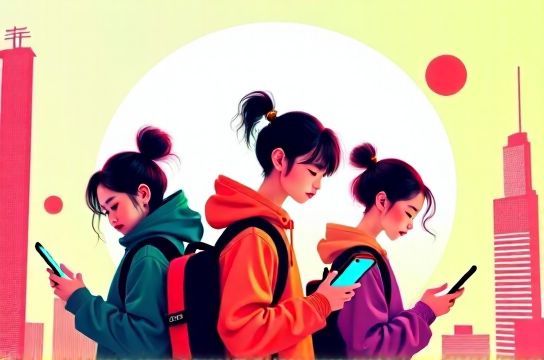
Over 98% of Chinese youth own smartphones, and nearly 70% spend more than three hours daily on short-video platforms like Douyin (TikTok’s Chinese twin) and Kuaishou. This isn’t just entertainment—it’s identity formation. These platforms aren’t just for fun; they’re where trends are born, careers launched, and subcultures thrive.
Take 'lying flat' (tanping) and 'let it rot' (sang) mentalities—these aren’t laziness, but quiet resistance to relentless work culture. A 2023 survey by Peking University found that 43% of urban youth aged 18–30 feel 'moderately to extremely burned out' from job pressure.
Spending Like It’s Hot—But Smarter
Despite economic headwinds, China’s youth drive over 60% of domestic consumption growth. But their wallets speak a new language: authenticity > luxury, experience > ownership.
| Spending Category | Monthly Avg. Spend (RMB) | Top Platforms Used |
|---|---|---|
| Coffee & Bubble Tea | 320 | Meituan, Elema |
| Fashion (Streetwear/Local Brands) | 580 | Xiaohongshu, Taobao |
| Online Entertainment | 210 | Bilibili, NetEase Cloud Music |
| Mental Wellness Apps | 85 | Halo, Xinxin |
Notice how homegrown brands like Li-Ning and Bosideng now rival Nike and Uniqlo? That’s guochao (国潮)—the 'national trend' wave fueled by pride in Chinese design and heritage.
Social Life: From 'Loneliness Economy' to Micro-Communities
Single-person households are rising fast—up 32% since 2015 among under-35s. But don’t call them lonely. They’re building niche communities around everything from cat parenting to retro gaming. Apps like Momo and Soul match users not by location, but by interest and vibe.
Dating? Many are opting out. A 2024 survey showed only 41% of urban millennials are in relationships, down from 62% a decade ago. Marriage rates have dropped for nine straight years. It’s not rejection of love—it’s skepticism toward traditional expectations.
Values in Flux
Old norms? Questioned. New dreams? Redefined. Environmental awareness is up—76% of youth say sustainability affects purchases. Mental health is openly discussed like never before. And gender roles? Fluid. Androgynous fashion, non-binary influencers, and LGBTQ+ visibility are growing, despite legal limits.
In short, Chinese youth aren’t rebelling—they’re reimagining. They blend tradition with tech, caution with creativity, and local pride with global awareness. If you want to understand where China is headed, watch its young people. They’re already there.