
How Tradition Shapes Modern Chinese Behavior
- Date:
- Views:238
- Source:The Silk Road Echo
Ever wondered why your Chinese friend refuses a gift three times before finally accepting it? Or why family dinners feel more like a sacred ritual than a casual meal? Welcome to the fascinating world where ancient tradition quietly steers modern life in China — not with loud commands, but with subtle, centuries-old whispers.
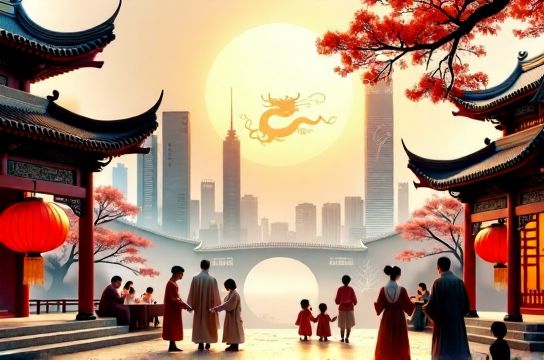
China’s rapid urbanization and tech boom might make it seem like tradition has taken a backseat. But dig a little deeper, and you’ll find Confucian values, ancestral customs, and collective mindset still deeply embedded in everyday behavior — from workplace dynamics to social etiquette.
The Roots: Confucius Didn’t Fade, He Evolved
Over 2,500 years ago, Confucius laid the foundation for social harmony through filial piety, respect for hierarchy, and moral integrity. Today, these aren’t just philosophy class topics — they’re living principles.
Take guanxi (关系), the Chinese concept of relationship networks. It’s not just who you know — it’s about mutual obligation, trust, and long-term loyalty. In business, landing a deal often depends less on your PowerPoint and more on whether you’ve shared a hot pot dinner with the right people.
Family First: The Unshakable Core
In China, family isn’t just important — it’s everything. A 2023 survey by Pew Research found that 89% of Chinese adults believe caring for aging parents is a personal duty, compared to 51% in the U.S.
This deep-rooted filial responsibility shapes major life decisions — career choices, marriage timing, even where people live. Many young professionals stay in their hometowns or move back to support parents, despite better job offers elsewhere.
| Value | Traditional Belief | Modern Manifestation |
|---|---|---|
| 孝 (Xiào) - Filial Piety | Honor parents above self | Adult children financially supporting parents; "Spring Festival Rush" travel peak |
| 面子 (Miànzi) - Face | Social dignity & reputation | Avoiding public disagreement; gifting luxury items to impress |
| 和 (Hé) - Harmony | Group over individual | Consensus-driven workplaces; indirect communication style |
Face Matters: More Than Just Pride
"Saving face" isn’t vanity — it’s survival in a collectivist culture. Losing face (diu lian) can damage relationships, careers, and social standing. That’s why criticism is rarely direct, and public apologies are rare unless absolutely necessary.
In classrooms and boardrooms alike, you’ll see people nod along — not always because they agree, but to maintain harmony. This doesn’t mean they’re passive; it means they value group stability over individual expression.
Tradition Meets Tech: Old Values, New Platforms
Even digital life reflects tradition. During Lunar New Year, over 880 million people sent digital red envelopes via WeChat — a high-tech twist on the ancient custom of giving lucky money to younger generations.
And while dating apps like Momo and Tantan exist, many young Chinese still rely on family-arranged introductions. Why? Because marriage isn’t just about love — it’s about uniting families and fulfilling social expectations.
Workplace Wisdom: Hierarchy Still Rules
Walk into a Shanghai office, and you won’t see interns casually calling CEOs by their first names. Titles matter. Age and seniority influence decision-making, mirroring Confucian ideals of respect for elders.
But here’s the twist: younger workers are pushing back — gently. While they honor tradition, they also crave work-life balance and personal fulfillment, creating a quiet cultural shift.
The Bottom Line
China isn’t stuck in the past — it’s redefining it. Tradition doesn’t chain modern Chinese society; it anchors it. Whether it’s a Gen Zer streaming a live e-commerce sale or a CEO sealing a deal over baijiu, the old ways aren’t gone — they’ve just learned to adapt.
So next time you’re in China — or working with Chinese colleagues — remember: beneath the skyscrapers and smartphones beats the heart of a 5,000-year-old culture. And that’s something no algorithm can replicate.