
Social Media Influence on Chinese Youth Mindset
- Date:
- Views:503
- Source:The Silk Road Echo
In today’s hyper-connected China, social media isn’t just an app—it’s a lifestyle. For the post-90s and post-00s generations, platforms like WeChat, Xiaohongshu, Douyin (TikTok), and Weibo shape everything from fashion choices to career dreams. But what’s really going on behind those endless scrolls? Let’s dive deep into how social media is quietly reshaping the mindset of Chinese youth.
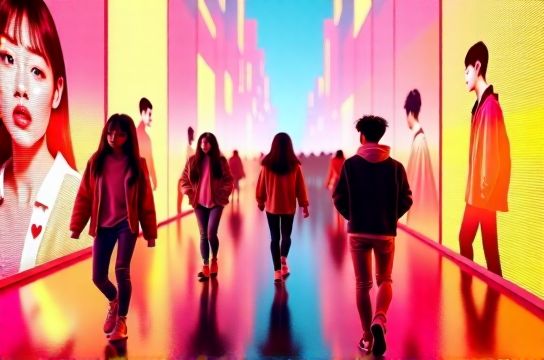
The Digital Playground: Where Identity Meets Influence
Over 95% of urban Chinese youth aged 16–30 use social media daily, spending an average of 2.8 hours per day on platforms like Douyin and Xiaohongshu (CNNIC, 2023). This isn’t passive consumption—it’s active identity crafting. From curated selfies to ‘study with me’ livestreams, young users aren’t just watching content—they’re performing their ideal selves.
Take Xiaohongshu, known as “Little Red Book.” It started as a shopping guide but has evolved into a cultural blueprint for aspirational living. Influencers showcase minimalist apartments, high-end skincare routines, and overseas study journeys—painting a picture of success that’s both inspiring and, for many, unattainable.
Data That Speaks Volumes
Let’s break it down with real numbers:
| Platform | Monthly Active Users (Youth) | Top Content Type | Primary Impact |
|---|---|---|---|
| Douyin | 380 million (16–30 yrs) | Short videos, challenges | Entertainment & trend adoption |
| Xiaohongshu | 150 million (18–29 yrs) | Lifestyle & product reviews | Consumer behavior & self-image |
| 220 million (16–35 yrs) | Hot topics & celebrity news | Public opinion shaping | |
| Bilibili | 100 million (under 24) | Anime, tech, education | Subculture engagement |
Source: QuestMobile & CNNIC, 2023
The Double-Edged Sword of Aspiration
Sure, these platforms empower creativity and connection. But they also fuel comparison culture. A 2022 Peking University study found that 68% of surveyed students felt anxious after prolonged exposure to ‘perfect life’ content. The pressure to look good, travel far, and succeed early is real—and it’s digital.
Yet, there’s resistance. Enter the “tang ping” (lying flat) movement—a quiet rebellion against hustle culture, often discussed in anonymous Weibo threads or Bilibili vlogs. Young people are starting to question: Is this curated dream worth the burnout?
From Consumers to Creators
Here’s the twist: Chinese youth aren’t just victims of algorithmic influence—they’re mastering it. Over 40% of college students have tried monetizing content on Douyin or Xiaohongshu, turning hobbies into side hustles. Whether it’s tutoring, fashion resale, or AI art, social media is becoming a launchpad for entrepreneurship.
The Road Ahead
Social media’s grip on Chinese youth mindset is complex—equal parts inspiration and illusion. As algorithms get smarter and content more immersive, the key will be fostering digital literacy and emotional resilience. After all, the healthiest feed isn’t the most polished one—it’s the one that lets you breathe, think, and be real.
In a world where likes equal validation, the real win is knowing when to log off.