
How Chinese Students Face Academic Pressure Daily
- Date:
- Views:349
- Source:The Silk Road Echo
Let’s talk real for a sec — being a student in China? It’s not just about showing up to class and taking notes. It’s a full-on marathon of exams, expectations, and endless studying. From early morning till late at night, Chinese students are under immense academic pressure — and it’s shaping their lives in ways most of us can’t even imagine.
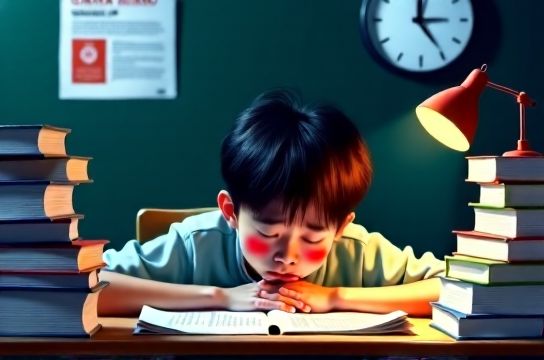
The Daily Grind: What Does a Student’s Schedule Look Like?
Imagine waking up at 6:00 AM, rushing to school by 7:30, sitting through eight classes, then heading straight into two or three hours of after-school tutoring. Sound exhausting? That’s the reality for millions of middle and high schoolers across China.
And don’t forget weekends — they’re often packed with extra classes, known as buxiban, aimed at boosting performance in key subjects like math, physics, and English. The goal? Survive the Gaokao — China’s national college entrance exam.
Gaokao: The Make-or-Break Exam
The Gaokao isn’t just an exam — it’s a cultural phenomenon. Held once a year, this two-day test can determine your entire future. Top universities like Tsinghua and Peking University have acceptance rates lower than Ivy League schools. In 2023, over 12 million students took the Gaokao, but only around 1% made it into the top-tier institutions.
Here’s a snapshot of the pressure:
| Statistic | Data |
|---|---|
| Total Gaokao Takers (2023) | 12.91 million |
| Top 1% Acceptance Rate (Elite Universities) | ~129,000 students |
| Average Study Hours Per Day (High School) | 10–14 hours |
| Students Attending After-School Tutoring | 75% (Urban Areas) |
| Parental Expectation Level (Survey-Based) | 89% expect child to attend university |
Why Is the Pressure So Intense?
Cultural values play a huge role. Education is seen as the golden ticket to success — not just for the individual, but for the whole family. Parents invest heavily, emotionally and financially, in their children’s education. A 2022 survey found that urban families spend an average of ¥30,000 (~$4,200) per year on tutoring alone.
Social mobility is another factor. In a competitive job market, a degree from a top university can mean the difference between a white-collar career and lifelong struggle. This creates a ‘do-or-die’ mindset among students.
Mental Health: The Hidden Cost
All this pressure doesn’t come without consequences. Studies show rising levels of anxiety, depression, and burnout among Chinese youth. A 2021 report by the Chinese Medical Association found that nearly 25% of high school students show symptoms of depression — a number that’s doubled in the past decade.
Schools are starting to respond. Some now offer counseling services and stress management workshops. But systemic change? That’s still a long way off.
Is There Hope for Change?
The government has taken steps. Recent policies like the "Double Reduction" initiative aim to reduce homework loads and curb private tutoring. While progress is slow, there’s growing awareness that student well-being matters just as much as test scores.
At the end of the day, Chinese students aren’t just chasing grades — they’re navigating a system that demands perfection. And while their resilience is nothing short of inspiring, it’s time we ask: at what cost?