
Delivery Drivers and Urban Lifestyle
- Date:
- Views:217
- Source:The Silk Road Echo
In today’s fast-paced urban jungle, delivery drivers aren’t just moving packages—they’re powering city life. From steaming lattes to last-minute birthday gifts, these modern-day couriers keep the heartbeat of cities like New York, Tokyo, and London pulsing 24/7.
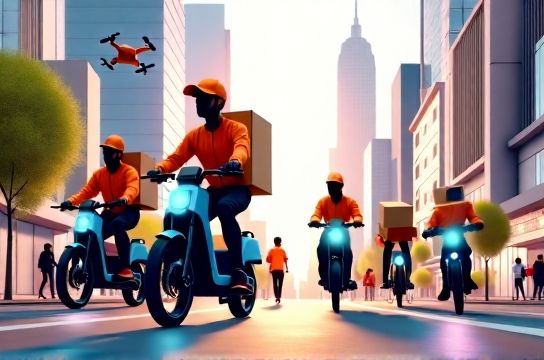
Let’s dive into how delivery drivers shape—and are shaped by—the urban lifestyle, backed by real data and a dash of street-level insight.
The Rise of the Gig Courier
With food and e-commerce deliveries surging post-2020, the number of gig delivery drivers has skyrocketed. In the U.S. alone, over 3.5 million people now work in on-demand delivery roles (Statista, 2023). That’s more than the entire population of Chicago!
Apps like Uber Eats, DoorDash, and Deliveroo have turned scooters and sedans into lifelines for time-starved urbanites. But what does this mean for city dynamics?
Drivers: The Unsung Architects of Convenience
Consider this: the average urbanite spends 47 minutes per week ordering deliveries—up from just 18 minutes in 2019. That’s convenience with a cost: increased traffic, emissions, and sidewalk congestion.
Yet, delivery drivers report surprising job satisfaction. A 2023 McKinsey survey found that 68% value the flexibility, even if earnings average $15–$22/hour after vehicle costs.
Urban Impact at a Glance
Here’s how delivery culture is reshaping cities:
| Metric | 2019 | 2023 | Change |
|---|---|---|---|
| Monthly Delivery Trips (U.S.) | 320 million | 610 million | +90.6% |
| CO₂ Emissions (tons/month) | 180,000 | 310,000 | +72% |
| Drivers in Top 10 Cities | 410,000 | 920,000 | +124% |
| Avg. Delivery Time (mins) | 42 | 31 | -26% |
As the table shows, speed has improved dramatically—but sustainability? Not so much.
The Human Side: Stories from the Seat
Take Maria, a part-time driver in Brooklyn: “I pick up shifts between school runs. It’s not glamorous, but it pays the grocery bill.” Her story echoes across neighborhoods—many drivers are parents, students, or side-hustlers using the gig economy as a financial cushion.
But challenges persist: inconsistent pay, safety concerns, and lack of benefits. Only 12% of gig drivers receive healthcare through their platform jobs.
Cities Fight Back—Smart Solutions
Forward-thinking cities are adapting. Paris launched micro-hubs to consolidate deliveries and reduce van traffic. Seoul incentivizes e-bike fleets, cutting emissions by 40% in pilot zones. New York is testing curbside pickup lanes exclusively for delivery vehicles.
The future? Experts predict AI routing + electric fleets will dominate by 2030, potentially reducing urban delivery emissions by up to 60%.
Final Thoughts
Delivery drivers are more than app icons—they’re integral to urban rhythm. As cities grow smarter, balancing convenience, equity, and sustainability will be key. Whether you're a driver or a recipient, one thing’s clear: the road ahead is shared.