
Second-Tier Cities Leading Social Change
- Date:
- Views:246
- Source:The Silk Road Echo
In recent years, second-tier cities in China have quietly taken the lead in driving social innovation and sustainable change. While first-tier metropolises like Beijing and Shanghai grab headlines, urban centers such as Chengdu, Hangzhou, Wuhan, and Xi'an are emerging as unexpected pioneers in community development, green initiatives, and digital inclusion.
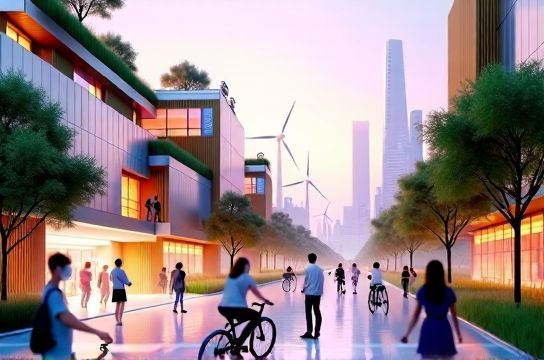
These cities strike a unique balance: they’re large enough to support ambitious projects but agile enough to implement them quickly. Take Chengdu, for example. With over 21 million residents, it’s not just about spicy hotpot and pandas. The city has rolled out more than 1,200 community micro-parks since 2020, transforming underused spaces into vibrant public areas. That’s nearly one new park every 36 hours!
Hangzhou, already a tech hub thanks to Alibaba, is leveraging its digital infrastructure to boost civic engagement. Over 78% of residents use the city’s ‘Smart Citizen’ app for services ranging from waste sorting rewards to neighborhood voting. This digital fluency has helped reduce administrative response times by 40%.
But what truly sets these cities apart is their focus on inclusive growth. Unlike top-tier cities where skyrocketing costs push out average citizens, second-tier hubs are designing policies that keep communities intact. A 2023 survey showed that 65% of young professionals prefer relocating to cities like Nanjing or Changsha due to better work-life balance and affordable housing.
Let’s look at some key data:
| City | Population (millions) | Green Space per Capita (㎡) | Digital Service Adoption (%) | Civic Projects Launched (2020–2023) |
|---|---|---|---|---|
| Chengdu | 21.2 | 15.8 | 72 | 320 |
| Hangzhou | 12.3 | 14.1 | 78 | 287 |
| Wuhan | 13.6 | 12.5 | 65 | 203 |
| Xi'an | 13.1 | 13.9 | 60 | 189 |
What’s fueling this wave? Local governments are increasingly empowered to experiment. In many cases, they collaborate with universities, startups, and grassroots NGOs. For instance, Wuhan launched a co-creation platform allowing citizens to pitch urban design ideas—over 45 were implemented in just two years.
The ripple effects are real. Air quality in these cities improved by an average of 18% from 2020 to 2023, according to the Ministry of Ecology and Environment. Mental health surveys also show higher life satisfaction rates compared to first-tier counterparts.
So, if you’re looking for where the future of urban living is being shaped, don’t just look up—look sideways. Second-tier cities aren’t just catching up; they’re redefining progress on their own terms.