
Cultural Identity Among Ethnic Minorities
- Date:
- Views:210
- Source:The Silk Road Echo
In today’s globalized world, the cultural identity of ethnic minorities isn’t just a topic for academic debate—it’s a living, breathing reality shaping communities across continents. From the vibrant festivals of the Hmong in Southeast Asia to the ancestral languages preserved by Native American tribes, these identities are more than heritage—they’re acts of resilience.
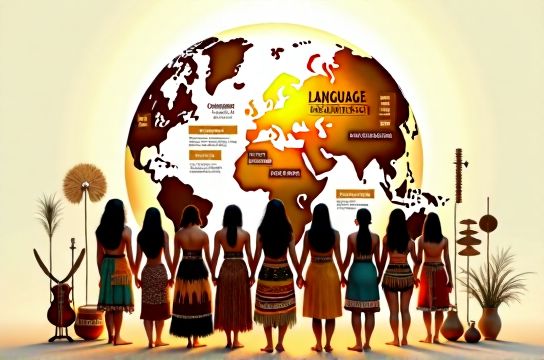
But what exactly defines cultural identity among ethnic minorities? And how do they maintain it amid assimilation pressures? Let’s dive deep—no jargon, just real talk and real data.
The Heartbeat of Heritage
Cultural identity is that inner compass made up of language, traditions, beliefs, and shared history. For ethnic minorities, this compass often points toward survival. According to UNESCO, over 40% of the world’s 7,000 languages are at risk of extinction, with indigenous and minority tongues disappearing at an alarming rate—one every two weeks.
Yet, resistance is real. In New Zealand, Māori revitalization efforts have brought te reo Māori (the Māori language) back into schools and media. Today, around 20% of Māori can speak their native tongue fluently, up from just 5% in the 1970s.
Challenges They Face Daily
Minority groups battle more than just cultural erosion—they face systemic marginalization. A 2023 World Bank report shows that ethnic minorities make up nearly 30% of the global population but account for over 50% of the world’s poor. Education gaps, employment discrimination, and political underrepresentation compound the struggle to preserve identity.
Take the Uyghurs in China or the Rohingya in Myanmar—where cultural suppression intersects with human rights issues. Meanwhile, in Western nations like the U.S., second-generation immigrants often grapple with dual identities: proud of their roots, yet pressured to conform.
How Identity Is Preserved—Real Strategies That Work
Communities aren’t passive victims. They’re innovators. Here’s how they keep culture alive:
- Language Revival Programs: Apps like Duolingo now offer Navajo and Hawaiian courses.
- Festivals & Rituals: Diwali, Nowruz, and Inti Raymi aren’t just celebrations—they’re declarations of existence.
- Digital Storytelling: Platforms like YouTube and TikTok empower youth to share traditions in fresh ways.
Data Snapshot: Cultural Preservation Around the Globe
| Community | Region | Language Speakers (Est.) | Key Preservation Effort |
|---|---|---|---|
| Māori | New Zealand | 200,000+ | Kōhanga Reo (language nests) |
| Navajo Nation | USA | 170,000 | School immersion programs |
| Sami People | Scandinavia | 20,000–35,000 | Bilingual education |
| Hmong | Southeast Asia / Diaspora | 5 million | Folk music & textile arts |
This table isn’t just numbers—it’s proof that when communities lead, culture thrives.
Why This Matters to Everyone
You don’t need to belong to a minority group to care. Cultural diversity is humanity’s greatest innovation lab. It fuels art, cuisine, medicine, and even climate solutions rooted in traditional knowledge.
Supporting minority cultures isn’t charity—it’s solidarity. Whether you’re advocating for inclusive curricula or simply attending a local cultural festival, you’re part of the ecosystem of preservation.
In short: cultural identity among ethnic minorities isn’t fading—it’s fighting. And with awareness, respect, and action, it can flourish for generations to come.