
Rural Education Gaps in Modern China
- Date:
- Views:285
- Source:The Silk Road Echo
In today’s rapidly advancing China, where skyscrapers rise and tech startups thrive, a quiet crisis lingers in the countryside: the rural education gap. Despite national efforts to promote equality, millions of children in remote villages still face steeper learning curves—not because they lack talent, but because they lack resources.
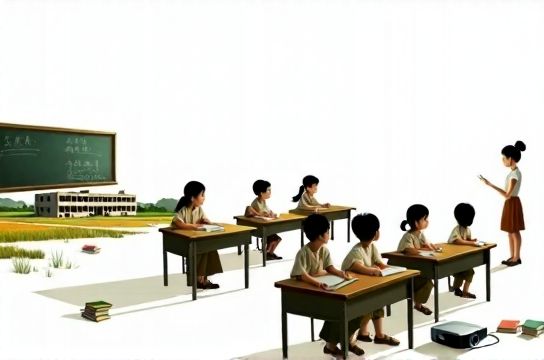
Let’s cut through the noise. Urban students enjoy smart classrooms, experienced teachers, and after-school tutoring. Meanwhile, rural schools often struggle with outdated textbooks, teacher shortages, and spotty internet. It’s not just unfair—it’s a national challenge holding back potential.
According to UNESCO, as of 2023, about 18% of China’s school-aged population lives in rural areas, yet these students are significantly underrepresented in top universities. Why? The answer lies in access.
The Reality Behind the Numbers
Take a look at this snapshot of disparities:
| Metric | Urban Schools | Rural Schools |
|---|---|---|
| Student-to-Teacher Ratio | 15:1 | 28:1 |
| Internet Access in Classrooms | 96% | 54% |
| Teachers with Bachelor's Degree or Higher | 89% | 52% |
| Annual Education Spending per Student (USD) | $1,800 | $620 |
This isn’t just about numbers—it’s about opportunity. A student in Chengdu might stream AI-powered math lessons, while one in Guizhou makes do with a chalkboard and a single overworked teacher.
Why Does This Gap Persist?
First, teacher retention. Many qualified educators prefer city postings—better pay, housing, and career growth. Rural assignments? Often seen as temporary or undesirable. In 2022, the Ministry of Education reported that nearly 30% of rural teaching positions were filled by short-term volunteers, leading to inconsistent instruction.
Second, infrastructure gaps. While cities boast STEM labs and digital libraries, many rural schools lack reliable electricity, let alone broadband. During pandemic lockdowns, this became painfully clear—only 40% of rural students could attend online classes regularly, compared to 85% in urban centers.
And third, socioeconomic pressure. In poorer regions, kids often leave school early to help on farms or migrate with parents for work. The World Bank estimates that rural dropout rates remain 3x higher than urban ones.
What’s Being Done—and What More Can Be Done?
China hasn’t stood idle. Initiatives like the Rural Teacher Support Program offer bonuses and housing incentives. Digital education platforms like “Cloud School” beam live lessons into remote classrooms. And since 2020, over 100,000 smart classrooms have been deployed in rural areas.
But real change needs more than hardware. We need culturally relevant curricula, long-term teacher training, and community engagement. Pilot programs in Yunnan show promise—when local elders co-teach traditional knowledge alongside science, student engagement jumps by 40%.
The Bottom Line
Bridging the rural education gap isn’t charity—it’s smart economics. Every child lifted from educational neglect is a future innovator, entrepreneur, or leader. As China aims for global excellence, it can’t afford to leave half its talent behind.
The path forward? Invest in people, not just pixels. Empower rural teachers. Connect villages with stable tech. And most importantly, listen to the communities themselves. Because education equity isn’t a slogan—it’s a foundation.