
Traditional Festivals in a Modern Context
- Date:
- Views:174
- Source:The Silk Road Echo
In today’s fast-paced digital world, traditional festivals might seem like relics of the past. But hold up — they’re not just about old customs and fancy costumes. These celebrations are evolving, blending heritage with modern life in ways that feel fresh, meaningful, and yes, totally Instagram-worthy.
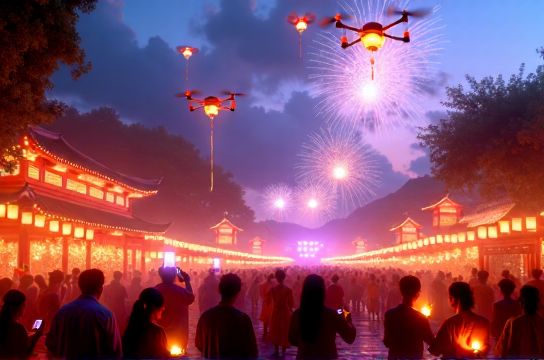
From Lunar New Year fireworks lighting up city skylines to Diwali markets going fully online, traditional festivals are finding new life in the 21st century. Let’s dive into how these age-old events are staying relevant — and why you should care.
The Evolution of Tradition
Gone are the days when festivals meant only temple visits and home-cooked meals. Today, they’re global phenomena. Take China’s Spring Festival: over 1.4 billion people celebrate it annually, and in 2023, digital red envelopes on WeChat hit a staggering 50 billion exchanges during the holiday week. That’s tradition meeting tech at scale.
Festivals now serve dual purposes: preserving culture and creating connection in an increasingly disconnected world. Whether it’s Thanksgiving dinner via Zoom or virtual Holi parties with animated color throws, people are adapting — not abandoning — their roots.
Festivals Bridging Generations
Younger generations aren’t turning their backs on tradition — they’re redefining it. A 2023 Pew Research study found that 68% of millennials actively participate in cultural festivals, often mixing rituals with modern twists. Think yoga during Navratri instead of classical dance, or eco-friendly lanterns replacing paper ones at Mid-Autumn Festival.
This fusion isn’t random. It’s intentional — a way to honor ancestors while speaking the language of today’s world. And brands? They’re all in. From Starbucks’ limited-edition Mooncake Frappuccino to Nike dropping Lunar New Year sneaker collabs, commerce and culture are dancing together.
Data That Speaks Volumes
Let’s talk numbers. The cultural festival economy is booming, and here’s proof:
| Festival | Global Reach (Est. Participants) | Economic Impact (Annual) | Digital Engagement Growth (2020–2023) |
|---|---|---|---|
| Lunar New Year | 1.4 billion+ | $150 billion | +240% |
| Diwali | 1.2 billion+ | $100 billion | +180% |
| Carnival (Rio) | 500 million (viewers) | $1.2 billion | +95% |
| Oktoberfest | 8 million (on-site + global events) | $1.5 billion | +70% |
These figures aren’t just impressive — they show that tradition has serious staying power, especially when it goes digital.
The Future Is Hybrid
The next chapter of traditional festivals? Think hybrid experiences. In 2024, South Korea launched a metaverse Chuseok celebration, allowing overseas Koreans to ‘return home’ virtually and share ancestral rites in VR. Meanwhile, India’s Ganesh Chaturthi saw eco-conscious communities use biodegradable idols and livestream immersion ceremonies.
It’s clear: sustainability, inclusivity, and technology are shaping the future of festivity. And as borders blur and families scatter across continents, these events become emotional anchors — a way to say, “I remember where I’m from.”
So whether you’re lighting a menorah, dancing at Carnival, or flying a sky lantern, know this: you’re not just celebrating a festival. You’re keeping history alive — one modern twist at a time.