
Live Streaming Commerce in Chinese Daily Life
- Date:
- Views:246
- Source:The Silk Road Echo
Think shopping can't be fun? Think again—especially if you're scrolling through a live stream on Taobao or Douyin at midnight, sipping tea while a charismatic host sells everything from lipstick to lamb chops in under 60 seconds. Welcome to the wild, fast-paced world of live streaming commerce in China, where retail meets reality TV and your phone becomes a 24/7 mall.
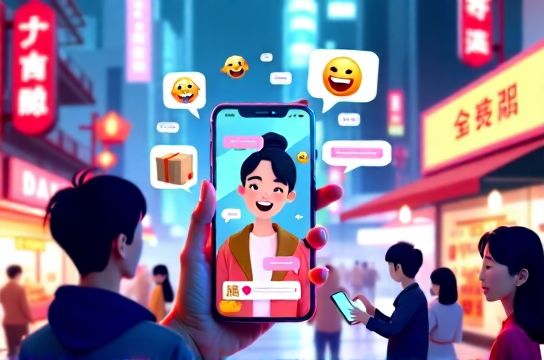
This isn’t just a trend—it’s a cultural shift. In 2023, China’s live streaming e-commerce market hit a jaw-dropping ¥4.9 trillion (about $680 billion), according to iiMedia Research. That’s more than the GDP of most countries! And get this: over 50% of Chinese consumers now buy something during a live stream at least once a month.
Why Is Live Streaming So Huge in China?
Simple: trust, entertainment, and insane deals. Unlike static product pages, live hosts demo items in real time. Want to see how that foundation blends? Watch it. Craving instant noodles at 11 PM? The host is eating them live—and offering a flash discount if you buy in the next 5 minutes.
Platforms like Taobao Live, Douyin (TikTok), and Kuaishou dominate the scene. Top streamers like Li Jiaqi (“Lipstick King”) and Viya have fan armies bigger than A-list celebrities. Viya once sold a rocket for ¥40 million ($5.6M) in pre-orders. Yes, a space rocket.
Who’s Watching and Buying?
Mainly urban millennials and Gen Z. But it’s not just young folks—users aged 36–50 are catching up fast. Most viewers tune in after work or before bed, turning shopping into an evening ritual.
| Demographic | Percentage of Viewers | Top Purchase Categories |
|---|---|---|
| 18–25 years | 38% | Cosmetics, Fashion, Snacks |
| 26–35 years | 42% | Electronics, Home Goods, Skincare |
| 36–50 years | 17% | Fresh Food, Health Products, Appliances |
| 50+ | 3% | Tea, Traditional Medicine, Clothing |
Notice how food and daily essentials keep popping up? That’s because live commerce has seeped into daily life—not just luxury splurges. Rural farmers now sell fresh fruit via livestreams, cutting out middlemen and boosting incomes. One peach grower in Gansu went viral and sold 10 tons in a week!
The Psychology Behind the Purchase
It’s not just about products. It’s FOMO (fear of missing out), social proof, and emotional connection. When a host shouts “Only 100 left at this price!” thousands tap “Buy Now” instantly. Limited-time offers + real-time engagement = unstoppable sales momentum.
And let’s not forget the gamification: lucky draws, coupons, and interactive polls keep users glued. Some streams even feature celebrity guests or mini-concerts. Shopping? More like entertainment with receipts.
What’s Next?
Experts predict AI-powered virtual hosts and VR shopping experiences will rise. Brands are investing heavily in training their own in-house streamers. Even government officials have joined in, promoting local products during “livestream charity events.”
For global brands eyeing China, ignoring live streaming commerce is like skipping Black Friday in the U.S.—a huge mistake. Localization isn’t just about language; it’s about joining the show.
So next time you think of China’s digital economy, don’t picture factories or coding hubs. Picture a woman in Chengdu selling handmade dumplings live at 9 PM, her kitchen lit warmly, customers cheering in the chat. That’s not just e-commerce. That’s life, streamed.