
Mental Health Stigma in Chinese Communities
- Date:
- Views:227
- Source:The Silk Road Echo
Let’s talk about something that’s often whispered about but rarely shouted from the rooftops: mental health in Chinese communities. Despite growing awareness globally, stigma around mental illness remains deeply rooted across many Chinese families and social circles. It’s time to break the silence — with empathy, data, and real talk.
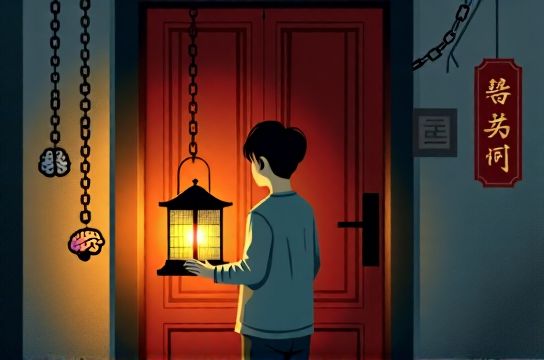
In China and among overseas Chinese populations, phrases like “just cheer up” or “don’t be so weak” are all too common when someone mentions anxiety or depression. Why? Because historically, mental health struggles have been seen as a sign of personal failure, family shame, or even spiritual imbalance. This cultural lens makes seeking help feel like a taboo.
According to the World Health Organization (WHO), nearly 100 million people in China live with a mental health condition. Yet, only about 1 in 20 individuals with depression ever receive proper treatment. That’s a massive gap — and stigma is a major reason why.
The Cultural Roots of Silence
Confucian values emphasizing harmony, self-discipline, and family honor play a big role. Admitting you’re struggling can be seen as disrupting family face (mianzi) or showing weakness. In many cases, emotional pain is internalized or expressed through physical symptoms — a phenomenon known as “shenjing shuairuo” (神经衰弱), or neurasthenia, which was once a common diagnosis in China for what Western medicine would call depression or anxiety.
This isn’t just a Mainland China issue. Studies show similar patterns in Chinese diasporas in the U.S., Canada, and the UK, where first-generation immigrants may resist therapy due to language barriers, lack of culturally competent care, or fear of judgment.
What the Numbers Say
Buckle up — here’s a snapshot of mental health realities in Chinese communities:
| Metric | Data | Source |
|---|---|---|
| People in China with diagnosable mental illness | ~16% of population (~230 million) | Lancet Psychiatry, 2019 |
| Those receiving treatment | Less than 10% | WHO, 2022 |
| Overseas Chinese students reporting high stress | 68% | American Psychological Association, 2021 |
| Chinese Americans who avoid therapy due to stigma | 55% | National Alliance on Mental Illness |
Breaking the Cycle
The good news? Change is happening. Younger generations are increasingly vocal. Social media platforms like Xiaohongshu and Weibo are filled with personal stories about therapy, burnout, and healing. Mental health apps like KnowYourself have gained millions of users by offering accessible, stigma-free content in Mandarin.
Culturally sensitive therapy is also expanding. More clinicians now understand the importance of integrating family dynamics and cultural context into treatment. And telehealth has made access easier, especially in rural areas.
How You Can Help
- Start the conversation — Talk openly (but respectfully) about mental health with loved ones.
- Reframe strength — Seeking help isn’t weakness; it’s courage.
- Support community initiatives — Look for local groups or online forums focused on Asian mental wellness.
Mental health isn’t a Western import — it’s a human right. By challenging stigma with compassion and facts, we can build a future where no one suffers in silence.