
How Chinese Students Face Academic Pressure
- Date:
- Views:281
- Source:The Silk Road Echo
In the hustle of early morning buses and late-night study lamps, millions of Chinese students grind through one of the most intense academic systems in the world. It's not just about homework—it's a high-stakes journey shaped by culture, competition, and crushing expectations. Let’s dive into how Chinese students handle academic pressure, backed by real data and human stories.
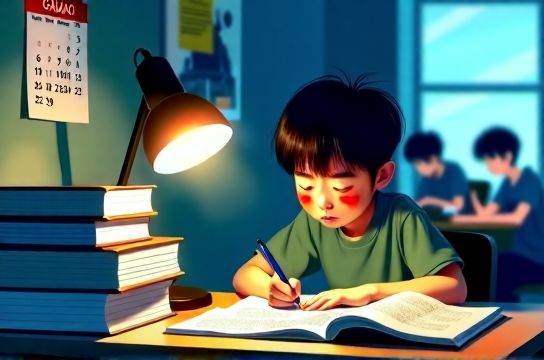
The Weight of Expectations
From a young age, Chinese students are taught that education is the golden ticket. Over 90% of parents believe their child’s future hinges on exam results (China Youth Daily, 2023). The Gaokao—the national college entrance exam—isn’t just a test; it’s a life-defining moment. One score can decide which university you attend—or if you attend at all.
Students often study 10–12 hours a day during senior year. A 2022 survey by Peking University found that 68% of high schoolers report frequent anxiety, with 45% showing symptoms of mild to severe depression. That’s not burnout—that’s a mental health crisis hiding in plain sight.
Why Is the Pressure So Intense?
Cultural values play a big role. In Confucian tradition, scholarly success equals honor for the family. But today, it’s also about survival in a competitive job market. With over 11.58 million graduates entering the workforce in 2023, standing out means top grades, elite schools, and endless extracurriculars.
And let’s talk numbers:
| Statistic | Data | Source |
|---|---|---|
| Average daily study time (Grade 12) | 10.5 hours | Ministry of Education, 2023 |
| Gaokao participation (2023) | 12.91 million | National Education Bureau |
| Top-tier university acceptance rate | ~5% | China Education Online |
| Students reporting sleep under 6 hours | 57% | Peking University Health Survey |
Coping Mechanisms: How Do They Survive?
Many students rely on routines—strict schedules, caffeine, and peer support. Study groups are common, turning classrooms into war rooms. Some turn to online communities like Zhihu or Xiaohongshu, where they share tips, memes, and emotional venting.
Schools are slowly responding. Pilot programs in Shanghai and Shenzhen now include mindfulness training and mandatory counseling. Yet, only 30% of schools have full-time psychologists. Progress? Yes. Enough? Not even close.
Is Change Coming?
The government has launched "Double Reduction" policies to cut homework and ban excessive tutoring. But old habits die hard. Many families still hire private tutors or enroll kids in underground cram schools—dubbed 'shadow education.'
The truth? Real change starts with mindset. Parents are beginning to question the cost of success. A 2023 Tencent survey showed 52% of urban parents now prioritize mental health over top scores—a small but hopeful shift.
The Bottom Line
Chinese students don’t just face academic pressure—they navigate a system built on sacrifice and societal expectation. While reforms inch forward, resilience remains their greatest tool. The dream isn’t just to survive the Gaokao, but to thrive beyond it.
Understanding this struggle isn’t about pity—it’s about recognizing the strength behind every bleary-eyed student flipping flashcards at midnight. Their story isn’t just about pressure. It’s about perseverance.