
Life Behind the Scenes in Contemporary China
- Date:
- Views:211
- Source:The Silk Road Echo
Ever wondered what life is *really* like behind the glittering skyscrapers and viral TikTok trends of modern China? Spoiler: it’s way more nuanced than you think. From bustling megacities to quiet rural villages, daily life in China today is a fascinating blend of ancient tradition and breakneck innovation.
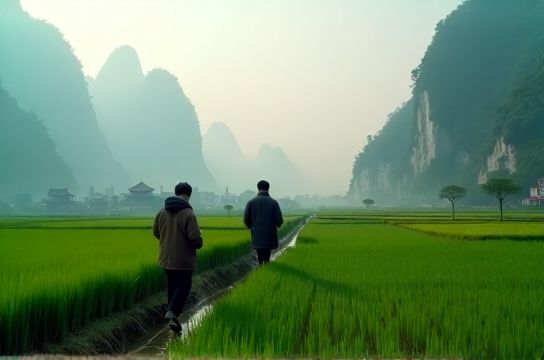
Let’s pull back the curtain. While headlines scream about tech giants and high-speed rail, millions are navigating a quieter revolution—aging parents, work-life balance, digital overload, and the relentless pursuit of xiaokang (a moderately prosperous life). According to the National Bureau of Statistics, urban residents earned an average of ¥49,285 (~$6,800) annually in 2023, while rural incomes reached ¥20,133 (~$2,800). That gap? Still wide, but narrowing.
The Daily Grind: Work, WeChat, and '996'
You’ve probably heard of '996'—9 AM to 9 PM, 6 days a week. Though officially discouraged, this grind culture lingers in tech hubs like Shenzhen and Hangzhou. A 2023 survey by Zhaopin found that over 40% of white-collar workers still log more than 50 hours weekly. But there’s pushback. Younger generations are embracing ‘tang ping’ (lying flat)—rejecting burnout in favor of minimalism and mental peace.
WeChat isn’t just an app—it’s a lifestyle. Need to pay rent, book a doctor, order groceries, or complain about your boss? It’s all in one chat window. Over 1.3 billion users rely on it daily. Life without WeChat? Practically social suicide.
Urban vs. Rural: Two Chinas?
Cities like Shanghai and Beijing boast subway systems longer than some countries. But step into Guizhou or Gansu, and horse-drawn carts might still outnumber scooters. The government’s rural revitalization campaign has poured billions into infrastructure, lifting 100 million people out of poverty since 2013. Yet disparities remain.
| Metric | Urban Areas | Rural Areas |
|---|---|---|
| Average Monthly Income (2023) | ¥4,107 | ¥1,678 |
| Internet Penetration | 85% | 66% |
| Life Expectancy | 82.1 years | 75.8 years |
| Household Size | 2.6 people | 3.1 people |
This table tells a story: progress, yes—but not equal. Rural youth often migrate to cities for work, leaving elders and children behind. Over 60 million ‘left-behind children’ live without one or both parents—a silent social challenge.
Family, Food, and the Future
Despite modernity, family remains sacred. Filial piety isn’t just tradition—it’s law. Adult children are legally required to care for aging parents. With 297 million citizens over 60 (and rising), eldercare is a ticking time bomb. The two-child, now three-child policy? Aimed at boosting birth rates, which dipped to a historic low of 6.77 births per 1,000 people in 2023.
And food? It’s identity. Whether it’s Sichuan spice or Cantonese dim sum, meals are communal, loud, and deeply symbolic. Street vendors and AI-powered restaurants coexist—one serving nostalgia, the other, efficiency.
The Takeaway
Life behind the scenes in China isn’t monolithic. It’s a mosaic of hustle and harmony, pressure and patience. As one Shenzhen coder told me: “We build the future every day—but sometimes, I just want to go home and eat my mom’s dumplings.”
Understanding China means looking beyond the surface. It’s in the late-night WeChat messages, the village elder tending rice fields, and the Gen-Z rebel choosing rest over riches. That’s the real story.