
Daily Life Challenges in China's Big Cities
- Date:
- Views:197
- Source:The Silk Road Echo
Navigating daily life in China’s megacities like Beijing, Shanghai, and Shenzhen? It’s a wild ride—think fast trains, faster crowds, and sky-high rent. While these urban powerhouses dazzle with innovation and opportunity, they also pack some serious challenges that can leave even the savviest city dweller scratching their head.
Let’s break it down with real talk and hard numbers.
The Rent is Too Damn High
In Shanghai, renting a modest 60㎡ apartment near the city center averages ¥8,500/month (~$1,180). That’s nearly 60% of the average white-collar worker’s take-home pay. In Beijing, it’s not much better—¥9,200/month for similar space. Ouch.
| City | Avg. Rent (60㎡) | Avg. Monthly Salary (After Tax) | Rent as % of Income |
|---|---|---|---|
| Beijing | ¥9,200 | ¥16,500 | 55.8% |
| Shanghai | ¥8,500 | ¥15,200 | 55.9% |
| Shenzhen | ¥8,800 | ¥14,800 | 59.5% |
| Guangzhou | ¥6,300 | ¥13,500 | 46.7% |
Yeah, Guangzhou’s looking pretty sweet right now.
Commute? More Like a Survival Game
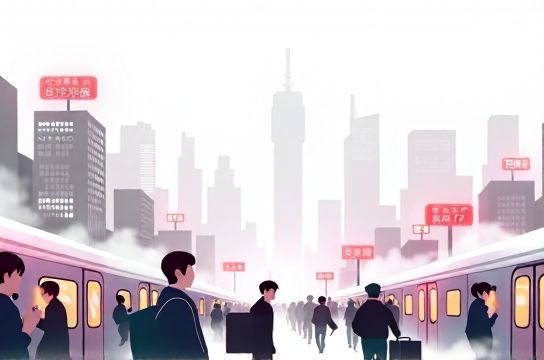
Shanghai’s subway carries over 10 million riders daily. During rush hour, Line 1 hits 130% capacity—imagine being packed like a sardine, but someone forgot the tin. The average commute time in Beijing? A soul-crushing 52 minutes one-way.
And don’t even think about driving. In Shenzhen, peak-hour traffic crawls at 15 km/h. That’s slower than your grandma on an e-bike—and speaking of which, good luck finding parking. Private spot in Beijing? Try ¥800–1,500/month.
Digital Life: Convenient or Creepy?
Alipay and WeChat Pay rule here—cash? So 2012. But go offline, and you’re basically invisible. Need to order food, hail a taxi, or enter your apartment building? Scan a QR code. Lose your phone? Hope you’ve got a backup—or enjoy walking home hungry.
On the flip side, facial recognition is everywhere—from subway gates to public restrooms (yes, really, to stop toilet paper theft). Privacy? It’s more of a suggestion.
Kids & Parents: The Pressure Cooker
Want your kid in a top public school? Better have a fangchanzheng (property deed) in the right district. Education access is tied to housing, so families drop millions on tiny ‘school district homes’ just for a shot at quality education.
Meanwhile, aging parents face healthcare bottlenecks. Top hospitals in Beijing see 10,000+ outpatients daily. Booking a specialist? Good luck getting past the AI chatbot.
So… Is City Life Worth It?
Despite the chaos, 200+ million people flock to China’s cities yearly. Why? Jobs, infrastructure, and that electric buzz only a megacity can give. Just be ready: comfort costs, convenience has strings, and surviving the grind is its own badge of honor.
Bottom line? Life in China’s big cities isn’t easy—but for many, it’s still the best shot at a better future.