
Chinese Youth Culture and Modern Social Trends
- Date:
- Views:229
- Source:The Silk Road Echo
In today’s fast-evolving China, youth culture isn’t just about music and fashion—it’s a seismic social shift. Born between 1995 and 2010, Gen Z now makes up over 260 million of China’s population, wielding massive economic and cultural influence. From digital natives shaping online trends to redefining work-life balance, Chinese youth are rewriting the rules.
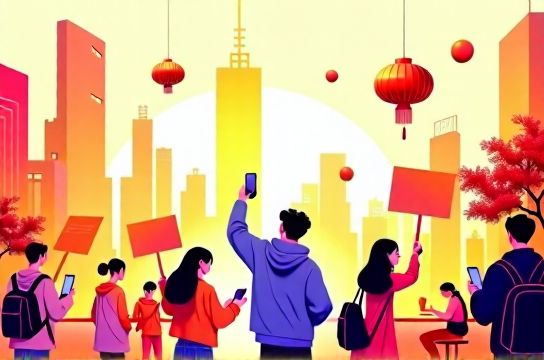
The Digital DNA of Chinese Gen Z
For China’s young, smartphones aren’t tools—they’re lifelines. Over 98% access the internet daily, primarily through apps like Xiaohongshu (Little Red Book), Douyin (TikTok), and Bilibili. These platforms aren’t just for entertainment; they’re hubs for self-expression, shopping, and even activism.
Take livestreaming: in 2023, Chinese users spent an average of 2.5 hours per day watching live commerce. Young consumers trust influencers more than traditional ads—74% say KOL recommendations sway their purchases.
Values That Defy Tradition
Gone are the days when every graduate chased a stable state job. Today’s youth embrace "tang ping" (lying flat)—a quiet resistance to relentless hustle culture. They prioritize mental health, personal fulfillment, and flexibility. A 2023 survey found that 62% of young workers would take a pay cut for better work-life balance.
Yet this isn’t laziness—it’s recalibration. Many pursue side hustles, from freelance design to content creation. The gig economy among urban youth has grown by 18% annually since 2020.
Fashion & Identity: More Than Just Style
Streetwear brands like Peacebird and BE@RBRICK thrive because they blend global trends with local flair. Hanfu, the traditional Chinese robe, has seen a revival—sales jumped 146% from 2020 to 2023, driven largely by under-25 buyers.
This fusion reflects a deeper identity quest: being proudly Chinese while globally connected. It’s not contradiction—it’s synthesis.
Economic Pressures & Urban Realities
Despite their optimism, youth face real hurdles. Housing prices in cities like Shanghai and Shenzhen exceed 30 times the average annual income. Student debt and job market saturation add pressure. Unemployment among 16–24-year-olds peaked at 21.3% in 2023, sparking national concern.
Yet resilience shines through. Co-living spaces, skill-sharing networks, and digital nomadism are rising solutions.
Youth-Driven Social Change
From environmental awareness to gender equality, young Chinese are pushing boundaries—carefully. While open dissent is limited, subtle activism thrives online. Hashtags like #MeTooChina and eco-challenges on Douyin show growing civic engagement, albeit within red lines.
What This Means for Brands & Society
To connect with this generation, authenticity is non-negotiable. Greenwashing or forced patriotism? Instantly called out. But brands that champion real inclusivity, sustainability, and creativity win loyalty.
| Statistic | Data | Source/Year |
|---|---|---|
| Gen Z Population in China | 260 million | NBS, 2023 |
| Daily Internet Usage (Youth) | 98% | CNNIC, 2023 |
| Livestream Commerce Time/Day | 2.5 hours | iResearch, 2023 |
| Youth Unemployment Rate | 21.3% | NBS, Q2 2023 |
| Preference for Work-Life Balance | 62% | McKinsey Survey, 2023 |
| Annual Gig Economy Growth | 18% | PwC China, 2023 |
Ultimately, Chinese youth culture is a dynamic dance between heritage and innovation, pressure and hope. They’re not rejecting society—they’re reshaping it, one viral post at a time.