
The Loneliness Economy: Why Solo Dining and Single Living Are on the Rise in China
- Date:
- Views:313
- Source:The Silk Road Echo
Let’s be real—more people in China are eating alone, living solo, and actually *owning it*. And no, it’s not because everyone’s suddenly heartbroken or antisocial. Welcome to the ‘Loneliness Economy,’ a trend that’s quietly reshaping how people live, eat, and spend money across the country.
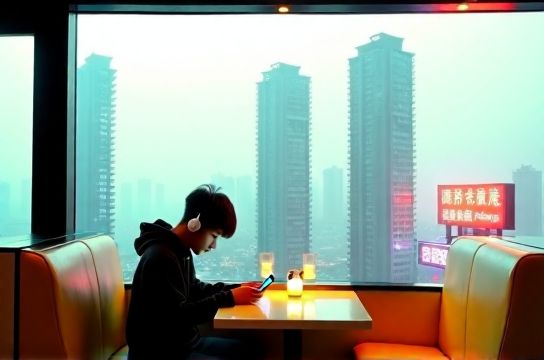
Gone are the days when dining out meant big family feasts or group dinners. Now, you’ll spot single diners at restaurants with tiny tables, happily chowing down on a personal hotpot or scrolling through their phone while sipping bubble tea. In cities like Beijing, Shanghai, and Shenzhen, single-person households are skyrocketing. In fact, over 180 million Chinese now live alone—and experts predict that number could hit 200 million by 2025.
So what’s driving this shift? For starters, urbanization. More young professionals are moving to big cities for work, often far from their hometowns and families. Add in rising incomes and greater independence, especially among women, and voilà—you’ve got a generation that values freedom and self-care over traditional living setups.
But here’s the twist: loneliness isn’t always sad. In China, it’s becoming a market opportunity. Enter the ‘loneliness economy’—a booming sector built around solo experiences. Restaurants now offer single-seater counters, especially in ramen shops and sushi bars. Retailers sell mini-fridges, one-person rice cookers, and even small-packaged groceries tailored for solo dwellers.
Dating apps? Still popular. But so are entertainment platforms focused on solo joy—think karaoke booths for one, solo travel packages, and ‘single-friendly’ movie screenings. Even Alibaba and JD.com have noticed, promoting compact household goods with slogans like ‘Just for You.’
Social changes play a big role too. Marriage rates are dropping, especially among millennials and Gen Z, who aren’t rushing to tie the knot. According to government data, first marriages in China have been declining for years. Many young adults are choosing careers, hobbies, and personal growth over societal pressure to settle down.
And let’s talk about tech. With social media and livestreaming, being physically alone doesn’t mean being emotionally isolated. People connect online over shared interests—whether it’s gaming, cooking, or just watching someone eat (yes, mukbang is huge in China too). Virtual companionship helps ease the gap.
Of course, there’s a flip side. Some worry about mental health and social fragmentation. But many young Chinese see solo living as empowering—not a last resort, but a lifestyle choice. They’re redefining happiness on their own terms.
So, is China getting lonelier? Maybe. But it’s also getting more individualistic, innovative, and in tune with modern life. The loneliness economy isn’t about sadness—it’s about adaptation, convenience, and yes, even comfort in solitude.
In short, flying solo isn’t a flaw. In today’s China, it’s a full-blown cultural and economic wave.