
How Social Phenomena China Affect Mental Health Today
- Date:
- Views:238
- Source:The Silk Road Echo
In today’s fast-paced China, mental health is no longer a whispered topic—it’s front and center. From the crushing weight of 996 work culture to the silent struggle of rural-to-urban migrants, social phenomena are reshaping emotional well-being across the nation. Let’s dive into how modern pressures are impacting minds—and what data reveals beneath the surface.
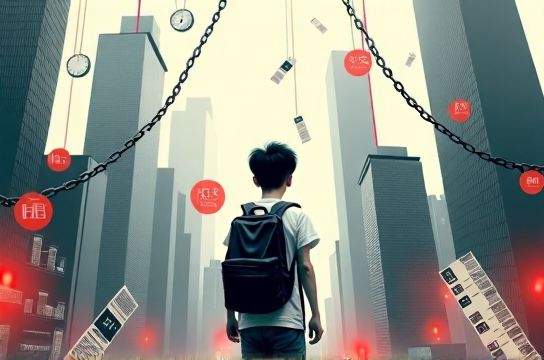
The Hidden Toll of 'Involution' (Neijuan)
You’ve probably heard the term neijuan—it’s not just slang; it’s a lifestyle. Translating roughly to “involution,” it describes a hyper-competitive environment where people work harder for diminishing returns. Students pull all-nighters to outscore peers. Office workers stay past midnight just to look busy. This isn’t ambition—it’s anxiety disguised as productivity.
A 2023 study by Peking University found that over 17% of urban professionals show symptoms of depression, with job stress cited as the top trigger. That number jumps to nearly 25% among those under 30.
Loneliness in a Crowded World
China has over 1.4 billion people, yet loneliness is soaring. Why? Rapid urbanization has uprooted families. Young adults move to cities alone, often living in cramped rentals with zero community ties. The rise of “leftover men” and “leftover women”—terms stigmatizing unmarried adults—adds social pressure, especially for women over 27.
Social media doesn’t help. While platforms like Xiaohongshu and Weibo offer connection, they also fuel comparison. Filtered lives online make real-life struggles feel like personal failures.
Youth Under Pressure: A Data Snapshot
Let’s break down youth mental health with hard numbers:
| Age Group | Reported Anxiety | Depression Symptoms | Main Stressors |
|---|---|---|---|
| 15–18 | 31% | 26% | Exam pressure, parental expectations |
| 19–25 | 40% | 33% | Job hunting, relationship issues |
| 26–35 | 36% | 29% | Workload, housing costs |
Source: National Mental Health Report of China, 2022
The Rural Divide
Mental healthcare access remains deeply unequal. In major cities like Beijing or Shanghai, clinics and counselors are growing in number. But in rural provinces like Gansu or Guizhou? There’s often less than one psychologist per 100,000 people. Stigma runs deep—many still view therapy as ‘for the crazy,’ not for everyday stress.
Hope on the Horizon?
Change is coming. Schools are introducing mental wellness programs. Companies like Alibaba and Tencent now offer employee counseling. Even the government launched a 2030 Mental Health Plan, aiming to increase public awareness and treatment access.
Still, progress is slow. Real healing needs more than policies—it needs cultural shifts. Talking about feelings must become normal, not shameful.
Final Thoughts
China’s social currents—neijuan, urban isolation, academic pressure—are powerful forces shaping mental health. But awareness is rising. With empathy, better resources, and honest conversations, there’s hope for a healthier, more balanced future.