
Urban Migration and Its Impact on Social Phenomena China
- Date:
- Views:285
- Source:The Silk Road Echo
China's urban migration story is nothing short of a modern epic. Over the past four decades, more than 300 million people have moved from rural villages to bustling cities—making it the largest human migration in history. But what happens when hundreds of millions swap farm life for factory shifts? Let’s dive into how this massive shift is reshaping Chinese society, one subway ride at a time.
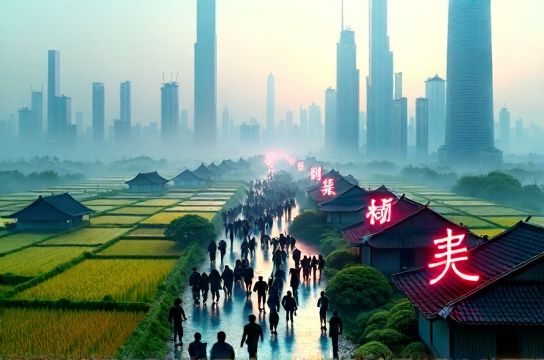
The Great Move: Why Are People Flooding Cities?
Economic opportunity is the biggest magnet. In 2023, the average annual income in urban areas reached ¥108,600, nearly double the ¥52,300 earned in rural regions (National Bureau of Statistics, China). Jobs in manufacturing, tech, and services pull workers like moths to a neon-lit flame.
But it’s not just about money. Cities offer better schools, hospitals, and even social freedom. For young adults, city life means escaping tight-knit village scrutiny and chasing personal dreams.
Who’s Moving? Meet the 'Floating Population'
These migrants are often called the "floating population"—a term that captures their temporary status. Most are between 18 and 40, with over 70% lacking local hukou (household registration), which limits access to public services.
Here’s a snapshot of internal migration trends:
| Metric | 2010 | 2020 | 2023 |
|---|---|---|---|
| Total Migrants | 221 million | 376 million | 389 million |
| Urbanization Rate | 49.7% | 63.9% | 65.2% |
| Avg. Income (Urban) | ¥30,015 | ¥77,435 | ¥108,600 |
| Avg. Income (Rural) | ¥15,140 | ¥38,455 | ¥52,300 |
Social Shifts: The Ripple Effects
When so many people move, society doesn’t just change—it transforms.
- Family Structures: Grandparents raise kids back home while parents work in Shenzhen or Hangzhou. Over 60 million children are left behind in rural areas.
- Housing Pressures: Migrant workers often live in cramped dorms or informal settlements. In Beijing, some pay up to 80% of their income on rent.
- Cultural Blending: Sichuan spicy hotpot sizzles next to Cantonese dim sum stalls. Cities become flavor-packed melting pots.
The Hukou Hang-Up
The hukou system remains a major roadblock. Without a local hukou, migrants can’t fully access education, healthcare, or affordable housing. Imagine working in Shanghai for 10 years but your kid still can’t attend public high school there. That’s the reality for millions.
Some cities are loosening rules—Chengdu and Hangzhou now offer easier residency paths—but progress is slow.
Looking Ahead: Can China Balance Growth and Equity?
The government aims for 70% urbanization by 2030. But sustainable growth means more than skyscrapers and subways. It means fair access, inclusive policies, and recognizing migrants not as temporary labor, but as city-builders.
In the end, urban migration isn’t just changing where Chinese people live—it’s redefining who they are.