
The Silent Struggle in Chinese Youth Culture Today
- Date:
- Views:206
- Source:The Silk Road Echo
In today’s fast-evolving China, a quiet storm is brewing beneath the surface of its youth culture. While the world sees skyscrapers, tech giants, and booming cities, millions of young Chinese are caught in a silent struggle — one shaped by sky-high expectations, fierce competition, and a rapidly shifting social landscape.
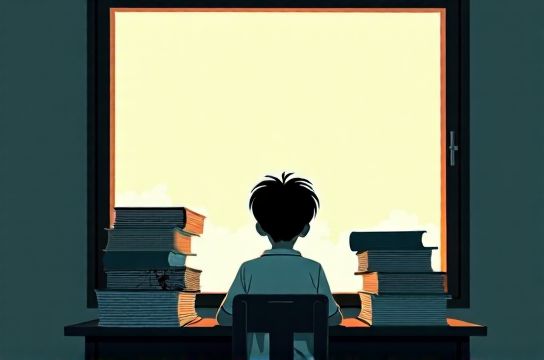
From the infamous gaokao (college entrance exam) to the relentless pressure of 996 work culture (9 a.m. to 9 p.m., 6 days a week), young people are navigating emotional burnout, identity crises, and a growing sense of disconnection. But what exactly is driving this cultural shift? Let’s dive deep into the numbers, stories, and realities shaping modern Chinese youth.
The Pressure Cooker: Education & Employment
Education remains the golden ticket in China — but at what cost? Over 12 million students took the gaokao in 2023, competing for limited spots in top-tier universities. The average study time? A staggering 10–12 hours per day during senior year.
| Statistic | Data |
|---|---|
| Annual Gaokao Takers (2023) | 12.91 million |
| Top University Acceptance Rate | <5% |
| Youth Unemployment Rate (Urban, Ages 16–24) | 21.3% (mid-2023 peak) |
| Avg. Work Hours/Week (Tech Sector) | 60+ |
After surviving the academic gauntlet, many face a job market that’s more saturated than ever. In 2023, over 11 million graduates entered the workforce — but high-paying, stable jobs are scarce. The result? A phenomenon known as “involution” (内卷), where young people work harder just to stay in place.
Lifestyle Rebellion: From Tang Ping to Foxi
Enter the rise of counter-culture mindsets like Tang Ping (lying flat) and Foxi (Buddha-like). These aren’t just slogans — they’re survival strategies. Instead of chasing endless promotions or luxury lifestyles, many youth are choosing minimalism, low-consumption living, and emotional withdrawal from societal rat races.
On platforms like Xiaohongshu and Bilibili, hashtags like #躺平生活 (Lying Flat Life) have millions of views. It’s not laziness — it’s resistance. As one 25-year-old Shenzhen coder put it: "I used to dream of changing the world. Now I just want weekends back."
Digital Identity & Mental Health
While social media offers escape, it also amplifies anxiety. A 2022 Peking University study found that nearly 40% of Chinese youth reported symptoms of depression or anxiety — up from 20% a decade ago. The pressure to curate a perfect online image collides with real-life stress, creating a mental health crisis that’s only now being acknowledged.
Yet, there’s hope. Online communities like Douban’s Anti-Natalist Group (now banned) and anonymous forums provide safe spaces for venting and solidarity. Mental health apps such as Xinli MOJI are gaining traction, signaling a slow but steady cultural shift toward self-care.
Cultural Paradox: Tradition vs. Modernity
Chinese youth are torn between filial duty and personal freedom. Confucian values demand respect for elders and family stability, yet rising housing costs and delayed marriages challenge traditional paths. In 2023, the average home price in Beijing hit $14,000 per square meter — making homeownership a distant dream for most under 30.
This tension fuels a unique blend of rebellion and resilience. While some opt out of marriage (dushen — single by choice), others turn to niche subcultures — from Hanfu fashion revivals to indie music scenes in Chengdu — to reclaim identity.
The Road Ahead
The silent struggle isn’t about weakness — it’s about awakening. As China’s youth redefine success, happiness, and purpose, they’re reshaping culture from within. Whether through digital dissent, minimalist living, or creative expression, their quiet resistance may just be the loudest voice of a generation.
So next time you hear about China’s rise, remember: behind the headlines are millions of young hearts beating with quiet courage — and a dream not just to survive, but to truly live.