
Uncovering Realities of Chinese Society Explained Simply
- Date:
- Views:259
- Source:The Silk Road Echo
China isn’t just about ancient temples and spicy Sichuan food (though, let’s be real—those are amazing). It’s a living, breathing paradox: ultra-modern cities next to rural villages, tech billionaires chatting with farmers on WeChat, and traditions evolving faster than you can say ‘Alipay’. Want the real scoop on what makes Chinese society tick? Let’s break it down—no jargon, no fluff, just straight-up insights.
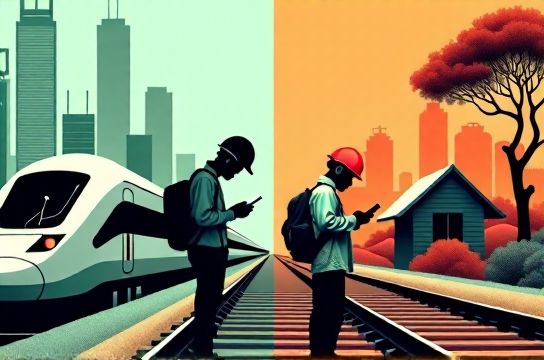
The Urban-Rural Pulse: Two Worlds, One Nation
Imagine this: Shanghai’s skyline glitters with neon and ambition, while 300 miles west, a farmer in Henan wakes up at 5 a.m. to tend his rice field. That’s China in a nutshell. Over 60% of people now live in cities—a number that’s exploded from just 20% in 1980. But here’s the twist: nearly 500 million still reside in rural areas, often without high-speed internet or top-tier healthcare.
| Year | Urban Population (%) | Rural Population (%) |
|---|---|---|
| 1980 | 20% | 80% |
| 2000 | 36% | 64% |
| 2023 | 64% | 36% |
This gap fuels one of the world’s largest internal migrations. Around 290 million migrant workers leave their hometowns each year, chasing factory jobs in Guangdong or construction gigs in Beijing. They’re the backbone of China’s growth—but often lack access to urban schools and housing benefits.
Digital Life: From QR Codes to Social Credit
If your wallet still has cash, China might shock you. Mobile payments dominate—over 86% of people use apps like WeChat Pay or Alipay daily. Need a bike? Scan a code. Buying street baozi? Same thing. Even grandma at the market taps her phone.
But it’s not all convenience. Enter the Social Credit System—a mix of myth and reality. While not a single nationwide score (yet), local governments do track behavior. Jaywalk? Might get your face scanned. Default on a loan? Could end up on a public blacklist, banning you from flights or fancy hotels.
Family & Future: Pressures Beyond the One-Child Echo
The one-child policy may be over, but its shadow lingers. Families once focused all resources on a single kid—now dubbed the 'little emperor' syndrome. Today, the government begs people to have more kids (hello, three-child policy!), but costs are steep: raising a child in Beijing averages $60,000 by age 18.
And education? Brutal. The gaokao, China’s college entrance exam, can make or break futures. Students study 12+ hours a day, and parents spend big on cram schools. In 2023, over 12 million students sat for the test—only 20% landed spots in top-tier universities.
Culture in Motion: Tradition Meets TikTok
Young Chinese aren’t rejecting tradition—they’re remixing it. Hanfu (ancient-style robes) trend on Douyin (China’s TikTok), tea ceremonies go viral, and Confucian values blend with K-pop fashion. Yet mental health stigma remains strong. Only 1 in 10 with depression seeks help, fearing shame or career setbacks.
In short? Chinese society is a high-speed train with ancient roots and futuristic dreams. It’s complex, contradictory, and constantly changing. And if you think you’ve figured it out—just wait. Tomorrow’s China will surprise you again.