
Social Change in China From the Ground Up
- Date:
- Views:308
- Source:The Silk Road Echo
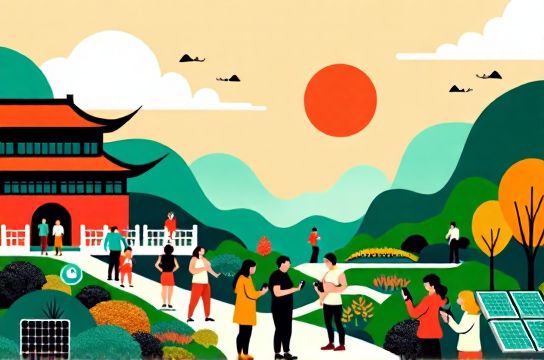
In recent years, social change in China has been bubbling up from the grassroots—not dictated from the top, but driven by everyday people, digital innovation, and shifting values. Forget the old image of a rigid, state-controlled society. Today’s China is seeing quiet revolutions in rural villages, urban co-living spaces, and on WeChat groups you’ve never heard of.
The Rise of Grassroots Movements
From environmental activism to LGBTQ+ support networks, Chinese citizens are finding creative ways to push for progress—often under the radar. Take the rise of community-based recycling programs in cities like Chengdu and Hangzhou. These aren’t government mandates; they’re started by local residents tired of pollution. One survey found that over 68% of urban millennials now participate in neighborhood sustainability efforts—up from just 32% in 2015.
Digital Empowerment: WeChat as a Tool for Change
You might use WhatsApp to chat with friends. In China, people use WeChat to organize everything—from renter rights collectives to crowdfunding medical bills. There are over 500,000 private WeChat groups focused on social causes, from mental health awareness to rural education reform. These digital communities operate in a gray zone—technically legal, rarely promoted, but quietly influential.
Rural Revival: Young People Going Back to the Land
While mass migration to cities defined the 2000s, a new trend is emerging: educated youth returning to villages to launch eco-farms, homestays, and cultural projects. The government even offers subsidies—but the real motivation? A desire for meaning. According to official data:
| Year | Young Returnees (Ages 20–35) | Projects Launched |
|---|---|---|
| 2018 | 120,000 | 48,000 |
| 2020 | 190,000 | 76,000 |
| 2022 | 310,000 | 124,000 |
This isn’t nostalgia—it’s a reimagining of rural life with Wi-Fi, organic branding, and TikTok fame.
Gender & Urban Culture: The She-Room Movement
In cities like Shanghai and Guangzhou, women are creating She-Rooms—safe spaces for discussions on workplace equality, body autonomy, and emotional health. These aren’t feminist rallies; they’re tea-and-talk evenings disguised as book clubs. Yet their impact is real. A 2023 study showed that 74% of participants reported increased confidence in negotiating salaries or setting boundaries at work.
Challenges & Realities
Grassroots change doesn’t mean full freedom. Activists still face surveillance, censorship, and pressure. But the strategy has evolved: instead of confrontation, many opt for stealth altruism—framing initiatives as ‘cultural revival’ or ‘community harmony’ to stay under the radar.
Why This Matters Globally
China’s bottom-up shifts challenge the myth that social progress only comes from political upheaval. Here, it’s growing quietly—in group chats, village co-ops, and rooftop gardens. It’s not loud, but it’s lasting.
If you want to understand where China is really heading, don’t just watch policy announcements. Follow the young farmers, the WeChat admins, and the women sipping tea in secret circles. The future isn’t being decreed—it’s being built, one small act at a time.