
What Is Neijuan and Why It Defines China Now
- Date:
- Views:245
- Source:The Silk Road Echo
If you've been keeping an eye on modern Chinese society, especially among students and young professionals, you've probably heard the term neijuan. But what exactly is neijuan? And why does it seem to define life in China today?
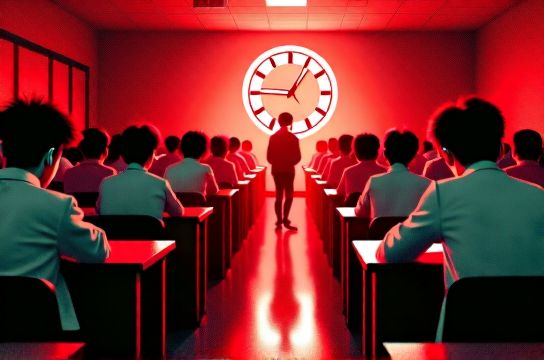
Literally translating to 'involution', neijuan describes a situation where people work harder and harder but gain little in return. It's like running on a treadmill—exhausting yourself without actually moving forward. This phenomenon has seeped into education, jobs, and even social life across China.
Imagine this: one student studies until midnight. Then another stays up until 2 a.m. to outdo them. Soon, everyone’s burning the midnight oil just to keep up—no real progress, just more stress. That’s neijuan in action.
According to a 2023 survey by Peking University, over 76% of college students reported feeling trapped in competitive cycles with diminishing returns. In the workplace, employees face similar pressure. A report from Zhaopin.com found that 68% of urban workers feel their efforts exceed actual rewards.
The Neijuan Effect Across Sectors
To better understand how deep this runs, here’s a snapshot of neijuan trends in key areas:
| Sector | Key Pressure | Avg. Overtime (hrs/week) | Perceived ROI* |
|---|---|---|---|
| Education | Exam competition | 12.4 | Low |
| Tech Industry | Promotion race | 15.2 | Medium-Low |
| Finance | Bonus targets | 13.8 | Medium |
| Civil Service | Exam difficulty | 8.5 | Low |
*ROI = Return on Investment (perceived value of effort)
As the table shows, extra hours don’t always mean better outcomes. In fact, they often lead to burnout. The World Health Organization has flagged rising anxiety and depression rates in Chinese youth—linked directly to neijuan culture.
But here's the twist: neijuan isn't just about overwork. It's about pointless overwork. People aren’t striving for innovation or passion—they’re surviving a system where standing still means falling behind.
So why does neijuan dominate China now? Three big reasons:
- Population density: With 1.4 billion people, competition for top schools and jobs is fierce.
- Economic slowdown: Fewer high-growth opportunities mean more people chasing fewer rewards.
- Social expectations: Family and cultural pressure push individuals to 'keep up appearances' at all costs.
The good news? Awareness is growing. The government has cracked down on excessive tutoring and promoted work-life balance. Concepts like "tang ping" (lying flat) and "xiao zhu fu" (quiet quitting) are gaining traction as pushback against neijuan.
In short, neijuan isn’t just a buzzword—it’s a mirror reflecting the struggles of a generation trying to thrive in a hyper-competitive world. Understanding it helps us see not just China’s challenges, but also its quiet resistance and hope for change.