
Family Expectations in Chinese Society and Their Impact on Youth
- Date:
- Views:296
- Source:The Silk Road Echo
In modern China, the weight of family expectations rests heavily on the shoulders of its youth. From a young age, many Chinese children are raised with a clear mission: excel academically, secure a stable career, and bring honor to the family name. This cultural norm, deeply rooted in Confucian values, shapes not only personal ambitions but also mental health, career choices, and life satisfaction among young people.
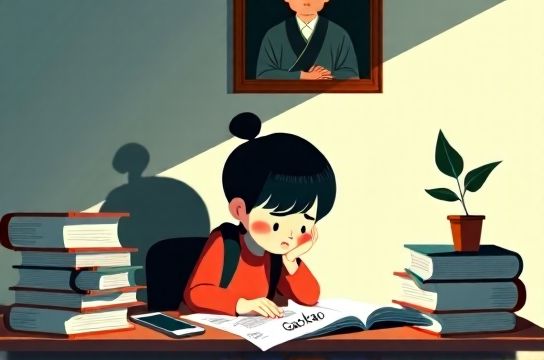
But what exactly drives these high expectations? And how do they truly affect the younger generation?
The Roots of High Expectations
Chinese family culture emphasizes filial piety, respect for elders, and collective success over individual desire. Parents often view their children as an extension of themselves—raising them well is both a moral duty and a social statement. In a competitive society where education is seen as the primary path to upward mobility, academic excellence becomes non-negotiable.
A 2022 survey by the China Youth Daily found that over 68% of urban parents expect their children to attend top-tier universities, while nearly 45% hope they’ll pursue postgraduate degrees. These aspirations are fueled by economic realities: elite degrees often lead to better jobs, higher salaries, and greater social status.
Academic Pressure and Mental Health
The pressure starts early. Students in cities like Beijing and Shanghai routinely attend after-school tutoring sessions, sometimes studying until midnight. According to a report from the National Health Commission, anxiety and depression rates among Chinese adolescents have risen sharply—over 24% of middle and high school students show symptoms of depression, with academic stress cited as the leading cause.
| Age Group | Reported Stress Level (1-10) | Depression Symptoms (%) | Primary Stress Source |
|---|---|---|---|
| 12–15 years | 7.8 | 22% | Exams & Schoolwork |
| 16–18 years | 8.6 | 27% | College Entrance Exam (Gaokao) |
| 19–22 years | 7.3 | 20% | Job Market & Family Pressure |
Success at What Cost?
While many youth meet these expectations—China consistently ranks high in global PISA test scores—the emotional cost is significant. A growing number of young adults report feeling disconnected from their passions, trapped in careers chosen not by interest but by parental approval.
Take the story of Li Wei, a 21-year-old engineering student in Chengdu. 'I wanted to study design,' he shares, 'but my parents said it wasn’t stable. They paid for my prep courses since I was 14. How could I say no?' His experience is far from unique.
Shifting Attitudes Among Youth
Yet change is brewing. With greater access to global ideas via the internet, more young Chinese are redefining success. Concepts like work-life balance, personal fulfillment, and mental well-being are gaining traction—especially among Gen Z.
A 2023 Pew Research study showed that 54% of Chinese youth aged 18–25 now prioritize job satisfaction over salary, a shift from previous generations. Some are even delaying marriage or opting out of the traditional 9-to-5 grind, embracing freelance or creative careers despite family disapproval.
Bridging the Gap
The tension between tradition and modernity isn’t easily resolved. But open dialogue, increased mental health awareness, and evolving social norms offer hope. Schools in Shanghai and Guangzhou have begun introducing counseling programs, while public campaigns promote 'slow living' and emotional wellness.
Ultimately, balancing family expectations with personal dreams isn’t about rebellion—it’s about understanding. As one college freshman put it: 'I still want to make my parents proud. But I also want them to be proud of who I am, not just what I achieve.'