
Tangping Explained A New Generation’s Response to Overwork in China
- Date:
- Views:334
- Source:The Silk Road Echo
In recent years, a quiet rebellion has been brewing across China—one that doesn’t roar with protests but whispers through lifestyle choices. It’s called tangping, literally meaning ‘lying flat.’ More than just a buzzword, tangping has become a cultural movement among China’s youth, a deliberate step back from the relentless grind of overwork and societal pressure.
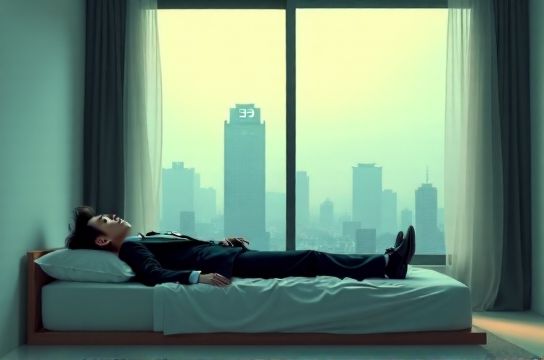
Imagine working 9-to-9, six days a week—that’s the infamous 996 work culture (9 AM to 9 PM, 6 days a week), once glamorized as the path to success. But for many young Chinese professionals, this dream has turned into burnout. Enter tangping: a peaceful refusal to chase endless promotions, luxury apartments, or marriage pressures. Instead, it’s about choosing minimalism, mental peace, and personal freedom.
A 2023 survey by Peking University found that over 62% of millennials and Gen Z in urban China feel overwhelmed by work-life imbalance. Another report from Zhaopin.com revealed that job satisfaction among white-collar workers dropped to just 38% last year—the lowest in a decade.
Why Are Young Chinese People Choosing Tangping?
The reasons are layered. First, skyrocketing housing prices make homeownership nearly impossible without generational wealth. In cities like Shanghai and Shenzhen, the average price per square meter exceeds ¥100,000 (~$14,000). Second, the competitive education system leads to high stress early in life. Third, traditional expectations—get married, have kids, support parents—are clashing with modern realities.
Tangping isn’t laziness; it’s resistance. As one netizen put it: “I’m not refusing to work—I’m refusing to be exploited.”
Work Culture Comparison: Then vs Now
| Metric | Traditional Hustle Culture | Tangping Lifestyle |
|---|---|---|
| Work Hours | 996 or even 007 | Flexible, often part-time |
| Life Goals | Wealth, status, home ownership | Peace, autonomy, simplicity |
| Mental Health | High stress, anxiety | Improved well-being |
| Social Expectations | Marriage by 30, stable job | Personal choice prioritized |
But can tangping survive in a growth-driven economy? Critics argue it threatens productivity. Yet supporters say it promotes sustainability—both personal and societal. Some companies have even started offering ‘tangping-friendly’ roles: remote work, four-day weeks, no overtime culture.
The government hasn’t stayed silent. While state media once criticized tangping as ‘negative,’ there’s now a shift. In 2022, China’s Supreme Court ruled that the 996 work schedule is illegal, marking a major win for labor rights. This legal backing gives quiet legitimacy to the tangping mindset.
Is Tangping the Future?
Maybe not for everyone—but for a growing number, yes. It’s not about quitting life; it’s about redesigning it. As global conversations around mental health and work-life balance grow, tangping offers a uniquely Eastern response: calm, intentional, and deeply human.
In the end, lying flat might just be how some people stand tall.