
Chinese Youth Culture: The Rise of Indie Music and Underground Scenes
- Date:
- Views:439
- Source:The Silk Road Echo
In the neon-lit alleyways of Beijing’s 798 Art Zone or the dim backrooms of Chengdu’s live houses, a quiet revolution is humming through guitar amps and synth beats. Forget bubblegum pop — China’s youth are tuning into something raw, real, and rebellious: indie music and underground scenes are surging, becoming the heartbeat of a generation craving authenticity.
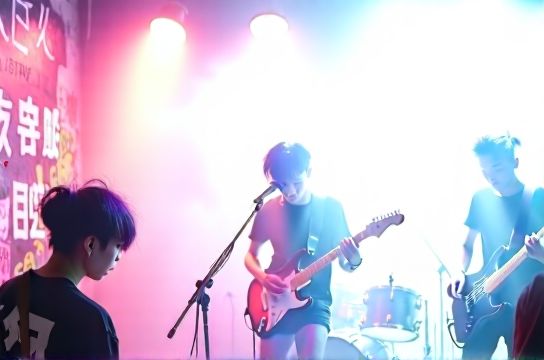
Once overshadowed by state-sanctioned entertainment and mainstream Mandopop, China’s indie scene has exploded over the past decade. From post-punk bands in Wuhan to lo-fi bedroom producers in Guangzhou, young musicians are using sound to explore identity, dissent, and digital disconnection. And they’re not alone — fans are flocking to intimate gigs, often held in repurposed warehouses or bookshops, where mosh pits meet mindfulness.
Why now? Urbanization, rising disposable income among Gen Z, and social media have all played a role. Platforms like NetEase Cloud Music and Xiaohongshu (Little Red Book) have become launchpads for unsigned artists. In 2023, NetEase reported over 600,000 independent artists on its platform — a 45% increase from 2020. That’s not just growth; it’s a cultural shift.
The Sound of Rebellion: Key Indie Hubs & Stats
China’s underground isn’t one sound — it’s a mosaic. Here’s a snapshot of the most vibrant indie music hubs:
| City | Venue Hotspots | Genre Trends | Estimated Monthly Gigs |
|---|---|---|---|
| Beijing | Dushuguan, School Bar | Punk, Post-Rock | 120+ |
| Shanghai | On Stage, ALL Livehouse | Indie Pop, Electronic | 90+ |
| Chengdu | Little Bar, Nu Space | Folk, Experimental | 75+ |
| Wuhan | VOX Livehouse | Grunge, Noise Rock | 50+ |
Take the band Omnipotent Youth Hotel — poetic lyrics wrapped in jazz-tinged rock — they’ve become cult heroes, selling out national tours despite zero radio play. Or Re-TROS, whose dark synth pulses echo Berlin as much as Beijing. These acts aren’t chasing charts; they’re building communities.
Culture Beyond the Chorus
This movement isn’t just about music — it’s fashion, art, and attitude. Think thrift-store denim, DIY zines, and a deep skepticism toward ‘success’ as defined by parents or propaganda. At indie shows, you’ll see fans with hair dyed like sunsets, sipping craft beer, debating philosophy between sets. It’s a space where being ‘weird’ is celebrated, not shamed.
And yes, there’s tension. Authorities still monitor content, and some lyrics get censored. But clever wordplay and metaphor let artists speak truths without crossing red lines. As one Shanghainese guitarist told me: “We don’t sing against the system. We sing *outside* it.”
How to Experience It
Travelers, skip the tourist traps. Head to a live house. Most cities list events on Damai.cn or WeChat public accounts. Entry fees? Usually 50–150 RMB ($7–20), cheaper than a Starbucks latte in Shanghai. Pro tip: arrive early, grab a seat, and don’t record — it’s frowned upon.
For deeper immersion, check out festivals like Yue Festival or Split Works’ Storm Festival. These gatherings blend music with visual art and activism, drawing crowds of thousands who care more about vibe than VIP.
In a country where conformity often wins, China’s indie underground is a breath of unfiltered air. It’s not loud because it wants attention — it’s loud because it finally has a voice.