
Local Perspective China: Rural-to-Urban Migration and Its Emotional Toll
- Date:
- Views:283
- Source:The Silk Road Echo
China’s rapid urbanization over the past few decades has been nothing short of astonishing. Behind the glittering skyscrapers and bustling city life, however, lies a deeply human story — one of millions of rural migrants who’ve left their hometowns in search of better opportunities. While economic gains are often highlighted, the emotional toll of this rural-to-urban migration is rarely discussed in depth. Let’s take a local perspective and explore what it really feels like to leave everything behind for a chance at a brighter future.
The Scale of Movement: By the Numbers
According to China’s National Bureau of Statistics (2023), there are over 290 million migrant workers in Chinese cities — more than the entire population of Indonesia. Most come from provinces like Henan, Sichuan, and Anhui, moving to economic hubs such as Guangdong, Zhejiang, and Shanghai.
| Year | Total Migrant Workers (Million) | Urban Wage Earners (%) | Left-Behind Children (Million) |
|---|---|---|---|
| 2018 | 288.4 | 60.3% | 6.9 |
| 2020 | 285.6 | 61.8% | 7.1 |
| 2023 | 290.2 | 63.1% | 6.8 |
These aren’t just numbers — they represent real people juggling dreams, sacrifices, and loneliness every single day.
The Emotional Cost: What No One Talks About
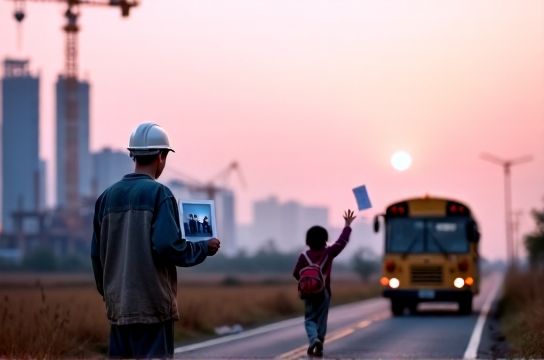
Imagine leaving your parents, your kids, even your dialect behind. For many rural migrants, adjusting to city life isn’t just about finding a job — it’s about navigating a cultural gap that can feel impossible to bridge.
- Loneliness & Isolation: A 2022 Peking University study found that over 40% of migrant workers report feelings of loneliness, with limited social integration in urban neighborhoods.
- Family Separation: The phenomenon of “left-behind children” and elderly parents is widespread. Kids grow up without daily parental presence, leading to emotional and developmental challenges.
- Identity Crisis: Many migrants describe feeling like “invisible citizens” — physically present in the city but socially excluded due to hukou (household registration) restrictions.
Voices from the Ground
Take Li Wei, a construction worker from Hunan now living in Shenzhen. "I send money home every month," he says, "but my daughter barely knows me. Last time I visited, she called me ‘Uncle.’" His story isn’t unique — it’s repeated across countless families.
Meanwhile, women like Zhang Mei face double burdens. As domestic workers in Beijing, they care for other people’s homes while worrying about their own children back in the village. "I clean three apartments a day," she shares, "but I can’t afford to bring my son here. The schools won’t take him without a local hukou."
Is There Hope?
Change is slow but emerging. Some cities are piloting hukou reforms, and NGOs are offering mental health support and community centers for migrants. In Chengdu, grassroots groups organize weekend reunions for families separated by work.
Still, systemic barriers remain. Without inclusive policies, the emotional debt of migration will keep growing — silently, painfully.
Final Thoughts
China’s urban miracle was built on rural backs. But progress shouldn’t come at the cost of emotional well-being. Recognizing the psychological impact of migration isn’t just compassionate — it’s necessary for sustainable development.
So next time you see a delivery rider zipping through traffic or a cleaner wiping down a metro station, remember: behind their quiet presence is a story of sacrifice, resilience, and longing.