
The Feminist Awakening in China: Challenges and Backlash in the Public Sphere
- Date:
- Views:347
- Source:The Silk Road Echo
In recent years, feminist voices in China have surged—bold, unapologetic, and impossible to ignore. From social media campaigns to grassroots activism, a new wave of feminism is reshaping public discourse. But with progress comes pushback. This is the story of China's feminist awakening: its rise, its challenges, and the fierce backlash it faces in the public sphere.
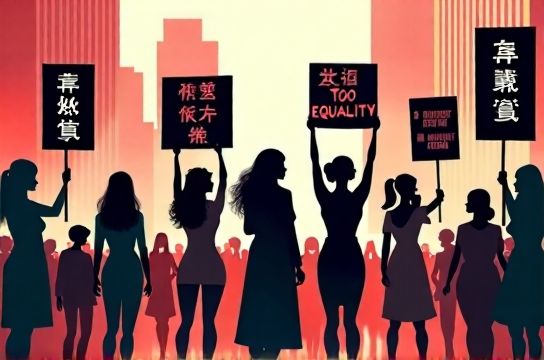
The Rise of Digital Feminism
China’s internet has become a battleground for gender equality. Platforms like Weibo, Xiaohongshu, and Douban host vibrant communities discussing everything from workplace discrimination to domestic violence. Hashtags like #MeToo and #Rice-Winner (a term critiquing women expected to 'bring home the rice' through marriage) go viral overnight.
According to a 2023 survey by Peking University, over 68% of urban women aged 18–35 identify as feminists or sympathize with feminist ideals—a sharp increase from just 42% in 2018.
Key Issues Driving the Movement
- Workplace Inequality: Women earn, on average, 78 cents for every yuan earned by men in similar roles (National Bureau of Statistics, 2022).
- Marriage Pressures: Over 70% of women report family pressure to marry before age 30.
- Domestic Violence: An estimated 24.7% of married women experience physical or emotional abuse.
Feminist Campaigns That Shook the Nation
| Campaign | Year | Impact |
|---|---|---|
| #MeToo in China | <2018>Exposed sexual harassment in academia and media; led to resignations | |
| 'Not Your Doll' Art Project | <2021>Brought attention to body shaming and objectification | |
| Anti-Domestic Violence Petition | <2020>Collected 200K+ signatures; influenced local policy reforms |
Backlash and Censorship
But speaking up comes at a cost. Feminist accounts are routinely censored. In 2022, Weibo banned searches for 'feminism' during International Women’s Day. Activists report surveillance, doxxing, and online harassment—often orchestrated by nationalist or conservative netizens.
The government walks a tightrope: promoting female education and workforce participation while suppressing organized dissent. Independent feminist groups are denied registration, forcing them underground.
What’s Next?
The feminist awakening in China isn’t slowing down. Young women are more educated, connected, and determined than ever. Despite censorship, their voices echo across digital spaces, challenging deep-rooted patriarchy.
As one activist put it: "We’re not asking for special treatment—just equal rights."