
Chinese Society Explained: The Shift from Material Success to Inner Peace
- Date:
- Views:251
- Source:The Silk Road Echo
In recent years, a quiet revolution has been unfolding across China—one not marked by loud protests or political upheaval, but by a profound cultural shift in values. Gone are the days when owning a luxury car, living in a high-rise apartment, or flashing designer brands defined success. Today, more and more Chinese citizens—especially the younger generation—are turning inward, seeking inner peace, mindfulness, and emotional well-being over material wealth.
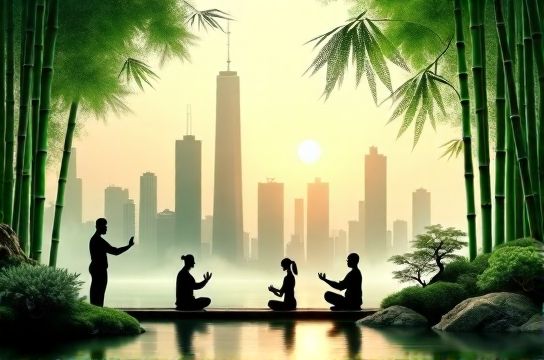
The Great Pivot: From GDP to Well-Being
For decades, China’s rapid economic growth fueled a consumerist dream. The '90s and 2000s saw a surge in urbanization and disposable income, leading to a boom in shopping malls, real estate, and status symbols. But as living standards rose, so did stress levels. A 2022 study by the Chinese Journal of Psychology found that over 68% of urban professionals reported chronic work-related anxiety.
This pressure cooker lifestyle sparked a backlash. Enter: the 'slow life' movement. Young professionals in cities like Shanghai and Chengdu are now trading加班 (overtime) for yoga, meditation apps, and weekend forest retreats. It’s not laziness—it’s a conscious redefinition of success.
Why the Change? Three Key Drivers
- Economic Saturation: With basic needs met, people are asking, 'What now?'
- Mental Health Awareness: Social media has destigmatized therapy and self-care.
- Cultural Rediscovery: Ancient philosophies like Daoism and Zen Buddhism are making a comeback.
Numbers That Tell the Story
Check out this snapshot of shifting priorities among Chinese millennials and Gen Z:
| Value Indicator | 2015 (%) | 2023 (%) | Change |
|---|---|---|---|
| Prioritizes Wealth & Status | 76% | 43% | -33% |
| Values Work-Life Balance | 39% | 67% | +28% |
| Practices Meditation/Mindfulness | 12% | 31% | +19% |
| Seeks Therapy or Counseling | 8% | 24% | +16% |
Source: National Youth Lifestyle Survey, 2015 & 2023
The Rise of Mindful Living
Apps like Xiaodu Zen and MindJoy have seen user growth jump by over 200% since 2020. Tea houses promoting silent meditation sessions are replacing karaoke bars as hangout spots in cities like Hangzhou. Even corporations are catching on—Tencent and Alibaba now offer mindfulness training and flexible mental health days.
And it’s not just urban elites. Rural communities are reviving traditional practices like tai chi, herbal healing, and seasonal farming rituals, blending old wisdom with modern wellness trends.
Challenges Ahead
Of course, this shift isn’t universal. Economic uncertainty still pressures many to chase stability. But the trend is clear: inner peace is becoming the new status symbol.
As one 28-year-old Beijing resident put it: 'I used to want a BMW. Now I just want to wake up without anxiety.'
Final Thoughts
China’s journey from material success to inner peace reflects a global awakening—but with a uniquely Chinese flavor. Rooted in ancient philosophy yet powered by digital innovation, this movement shows that progress isn’t just about how much you earn, but how deeply you live.