
Chinese Society Explained: Why Mental Health Is Gaining Attention Among Students
- Date:
- Views:219
- Source:The Silk Road Echo
In recent years, mental health among students in China has shifted from a whispered concern to a national conversation. Gone are the days when emotional struggles were brushed aside with a simple 'just work harder.' Today, more young people—and society at large—are recognizing that academic pressure, social expectations, and rapid societal change come with psychological costs.
The Pressure Cooker of Academic Life
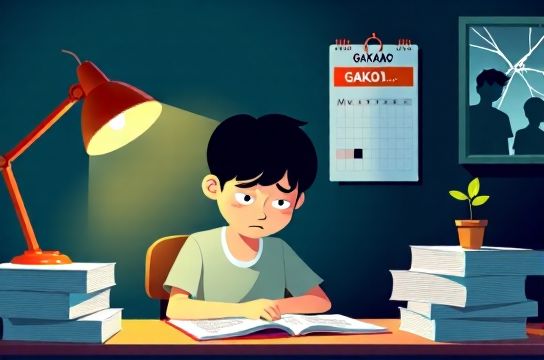
Let’s be real—being a student in China isn’t for the faint-hearted. The gaokao (national college entrance exam) is often seen as a one-shot ticket to success. This high-stakes exam influences not just university admissions but future job prospects, social status, and family pride. It’s no wonder students report sky-high stress levels.
A 2023 study by Peking University found that over 40% of Chinese middle and high school students show symptoms of depression or anxiety. That’s nearly 2 out of every 5 kids carrying invisible weights on their shoulders.
Breaking the Stigma: A Cultural Shift
Traditionally, mental health issues were stigmatized in Chinese culture. Talking about emotions? That was often seen as a sign of weakness. But times are changing. With rising awareness and government-backed initiatives, schools are starting to offer counseling services, and parents are slowly learning to listen instead of lecture.
The Ministry of Education now requires universities to have psychological support centers, and many high schools are following suit. Social media also plays a role—Gen Z shares stories online, normalizing conversations about burnout, loneliness, and self-care.
What the Data Says: Student Mental Health Snapshot
Check out this eye-opening snapshot from recent nationwide surveys:
| Metric | Data | Source |
|---|---|---|
| Students reporting moderate to severe anxiety | 37.6% | Peking University (2023) |
| Students with access to school counselors | 68% | Ministry of Education Report |
| Parents who recognize signs of depression | Only 42% | China Youth Daily Survey |
| Colleges with mandatory mental health education | 91% | National Education Statistics |
Why Now? The Perfect Storm
Several factors explain why mental health is finally getting the spotlight:
- Economic Growth & Rising Expectations: As families rise economically, so do expectations for academic and career success.
- Only-Child Dynamics: Many students grow up under intense parental focus, increasing pressure to perform.
- Social Media Exposure: While it spreads awareness, it also fuels comparison and FOMO (fear of missing out).
- Post-Pandemic Aftermath: Lockdowns disrupted routines, increased isolation, and left lasting emotional scars.
What’s Being Done—and What’s Next?
Progress is happening. Major cities like Beijing and Shanghai have launched youth mental health hotlines. Schools are training teachers to spot warning signs. Yet, rural areas still lag behind in resources.
The key? Balance. Academic excellence doesn’t have to come at the cost of emotional well-being. Experts suggest integrating mindfulness programs, reducing homework loads, and encouraging open dialogue at home.
As one high school student in Chengdu put it: 'We’re not lazy—we’re tired. And tired minds can’t keep up.'
Final Thoughts
Mental health in Chinese student life isn’t just a trend—it’s a turning point. With growing awareness, policy changes, and brave voices speaking up, there’s real hope for a healthier, more balanced generation. The journey’s just beginning, but the silence is finally breaking.