
Temper Tantrums and Mental Health: Breaking the Stigma Among Chinese Youth
- Date:
- Views:224
- Source:The Silk Road Echo
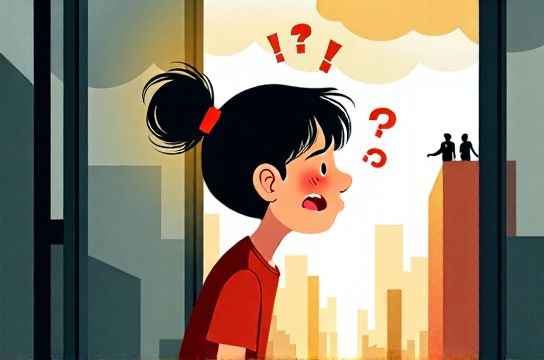
Let’s be real—everyone loses their cool sometimes. But for Chinese youth, a simple temper tantrum can feel like social suicide. In a culture that values "face," emotional outbursts are often seen as weakness, not signals of deeper mental health struggles. It’s time we flip the script.
Recent studies show that over 24.6% of Chinese adolescents report symptoms of anxiety or depression (China CDC, 2023). Yet fewer than 1 in 5 seek professional help. Why? Because saying "I’m not okay" still carries a heavy stigma.
The Pressure Cooker: Academic Stress & Emotional Repression
From gaokao prep to after-school tutoring marathons, young people in China face relentless academic pressure. This isn’t just about long study hours—it’s about the emotional toll of perfectionism. One survey found that 68% of high school students feel constant stress, while 41% admit to having panic attacks during exam season.
| Mental Health Indicator | Chinese Youth (Ages 15–24) | Global Average |
|---|---|---|
| Anxiety Symptoms | 24.6% | 18.9% |
| Depression Symptoms | 21.3% | 15.2% |
| Seeking Help | 17.8% | 34.5% |
| Experienced Panic Attacks | 41.1% | 26.7% |
See the gap? Chinese youth are under more pressure but getting less support. And when emotions boil over—whether it’s yelling, crying, or shutting down—it’s often dismissed as "tantrums," not cries for help.
Breaking the Myth: Anger ≠ Weakness
Here’s the truth: temper tantrums in teens and young adults aren’t bratty behavior—they’re often coping mechanisms gone rogue. When you suppress emotions for years, they don’t vanish. They build up like steam until something gives.
Dr. Li Wen, a clinical psychologist at Peking University, explains: "In collectivist cultures, emotional regulation is prioritized over emotional expression. But when kids learn to silence their feelings instead of processing them, it backfires—often as explosive anger or withdrawal."
So What Can We Do?
- Talk early, talk often: Schools and parents need to normalize mental health chats—no crisis required.
- Train teachers: Just like CPR, emotional first aid should be part of teacher training.
- Expand access: Only 2.3% of China’s healthcare budget goes to mental health. That number needs to rise—fast.
Social media is also stepping up. Platforms like Douban and Little Red Book host anonymous forums where young users share therapy experiences and coping tips. These digital safe spaces are quietly revolutionizing mental health awareness.
The Bottom Line
Having a meltdown doesn’t make you broken. It makes you human. For Chinese youth, breaking free from stigma starts with redefining what strength looks like—not suppressing emotions, but facing them head-on.
Next time someone has a "tantrum," don’t judge. Ask: "Hey, are you really okay?" That one question could change everything.