
The Loneliness of the Chinese Metropolis: Single Life in Beijing and Shanghai
- Date:
- Views:237
- Source:The Silk Road Echo
In the towering shadows of Beijing's skyscrapers and along Shanghai’s neon-lit Bund, a quiet revolution is unfolding—one defined not by protest or policy, but by solitude. As China's urban centers boom, so does a new social phenomenon: the rise of single life among young professionals in megacities like Beijing and Shanghai.
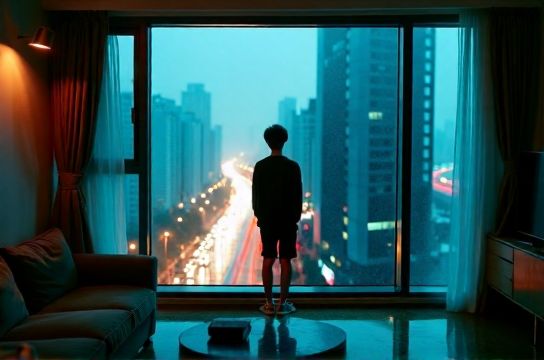
Forget the traditional family compound. Today, over 60 million Chinese households are now single-person dwellings—a number that has tripled since 2000 (National Bureau of Statistics, 2023). In Beijing and Shanghai alone, more than 35% of adults aged 25–39 live alone, driven by soaring housing costs, career ambitions, and shifting cultural values.
Why? Let’s break it down.
The Cost of Connection
Housing prices in Beijing average ¥68,000/sq.m, while Shanghai isn’t far behind at ¥62,000/sq.m. With median annual salaries around ¥150,000, many opt for smaller, affordable studios—often solo living out of economic necessity. But loneliness? That’s emotional real estate no one budgeted for.
Social Shifts: From 'When Will You Marry?' to 'I’m Just Fine Alone'
Gone are the days when elders dictated timelines. Urban Chinese youth increasingly embrace independence. A 2023 survey by Sina Weibo found that 57% of singles in Shanghai view being unmarried as ‘normal,’ compared to just 32% in rural provinces.
| City | Avg. Rent (1BR) | Median Age of First Marriage | % Living Alone (25–39) |
|---|---|---|---|
| Beijing | ¥7,200/month | 31.4 | 36% |
| Shanghai | ¥7,800/month | 32.1 | 38% |
These aren’t just numbers—they’re lifestyles. Late-night takeout, streaming marathons, co-living spaces with strangers turned friends. The single life isn’t sad; it’s redefined.
But Is It Sustainable?
Loneliness impacts mental health. Studies link prolonged isolation to increased anxiety and depression rates—up 24% among urban singles since 2018 (Peking University Health Report). Yet, communities are adapting: from pet ownership (over 20 million urban households now have pets) to ‘friend-based families’ and digital support groups.
So, is the lonely city dweller a tragic figure? Or a symbol of modern freedom? Maybe both. In Beijing and Shanghai, solitude isn’t always sadness—it’s often sovereignty.
As one 30-year-old tech worker in Pudong put it: 'I don’t need saving. I just need Wi-Fi and my cat.'