
Fan Culture Gone Wild: Idol Worship and Its Impact on Chinese Society
- Date:
- Views:273
- Source:The Silk Road Echo
In recent years, fan culture in China has exploded like a K-pop dance move on steroids. What once started as innocent admiration for celebrities has morphed into a full-blown social phenomenon—complete with billion-yuan spending sprees, overnight fame, and sometimes, jaw-dropping levels of obsession. Welcome to the wild world of idol worship in China, where fans don’t just follow idols—they fund, fight, and sometimes even fanatically defend them like digital-age knights.
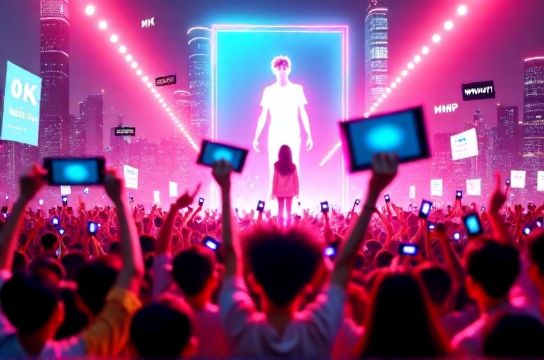
But how did we get here? And more importantly, what impact is this frenzy having on society?
The Rise of Idol Worship
Thanks to reality shows like Youth With You and Produce Camp, becoming an idol isn’t just about talent anymore—it’s a data-driven race. Fans vote, buy albums, stream videos, and even purchase milk (yes, milk!) just to boost their favorite contestant’s ranking. In 2021, one scandal went viral when fans poured out gallons of milk simply to scan QR codes on bottle caps for voting. The backlash was massive, sparking national debate—and eventually, government regulation.
The numbers? They’re staggering. According to iResearch, China’s fan economy was worth over 640 billion RMB ($90 billion USD) in 2023, with Gen Z making up 78% of active participants.
Fan Power by the Numbers
Let’s break it down with some real stats:
| Category | Annual Spending (RMB) | Main Fan Age Group |
|---|---|---|
| Digital Albums & Merch | 18.5 billion | 15–25 |
| Concerts & Fan Meetings | 12.3 billion | 18–30 |
| Social Media Campaigns | 8.7 billion | 16–24 |
| Total Fan Economy | 640+ billion | 15–35 |
This isn’t just fandom—it’s a full-scale economic engine.
The Dark Side of Devotion
But every rose has its thorn. Extreme idol worship has led to mental health issues, financial strain, and online toxicity. Cyberbullying between rival fan groups—known as “fan wars”—is rampant. In 2022, Weibo suspended over 100,000 accounts linked to organized fan attacks.
And let’s not forget the pressure on idols themselves. Many young stars face burnout, anxiety, and public scrutiny from day one. One rising star dropped out of the spotlight in 2023, citing “emotional exhaustion” from constant online monitoring.
Government Steps In
In response, China’s regulators have cracked down. The Cyberspace Administration banned celebrity rankings, limited fan fundraising, and restricted under-18s from gifting money online. The message? Cool your jets, fans.
So, Where Do We Go From Here?
Idol worship isn’t going away—but it’s evolving. Healthy fandom can inspire creativity, community, and self-expression. The key? Balance. Support your idol, sure, but maybe skip pouring out another carton of milk.
As China navigates this cultural wave, one thing’s clear: fan culture isn’t just entertainment. It’s a mirror reflecting youth identity, digital power, and the price of fame in the modern age.