
Urbanization and Loneliness: The Silent Struggle of China's Migrant Youth
- Date:
- Views:311
- Source:The Silk Road Echo
In the glittering skyline of Beijing, Shanghai, and Shenzhen, a quiet crisis is unfolding—one not measured in GDP, but in heartbeats. As China’s urbanization rate surpasses 65% (World Bank, 2023), millions of young migrant workers have flooded into cities chasing dreams. But behind the hustle lies a hidden epidemic: loneliness.
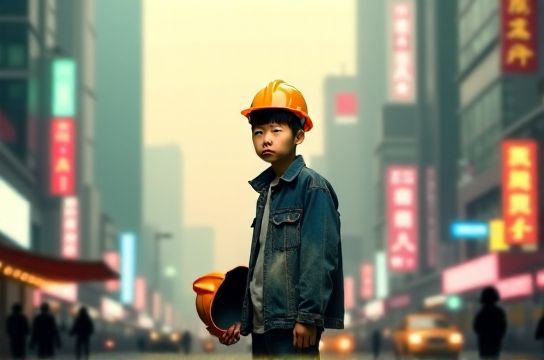
These youth, often from rural provinces, trade familiar fields for factory floors and delivery routes. They’re part of the 290 million migrant workers in China (National Bureau of Statistics, 2023), with nearly 40% under 35. Yet, despite being surrounded by millions, many feel profoundly alone.
The Urban Paradox: Connected but Isolated
Cities offer jobs, Wi-Fi, and endless scrolling—but not belonging. A 2022 Peking University study found that 58% of young migrants report moderate to severe loneliness. Why? Long work hours, unstable housing, and the hukou system limit access to healthcare, education, and social networks.
| Demo | Urbanization Rate | Migrant Population (Under 35) | Loneliness Rate (%) |
|---|---|---|---|
| China (2023) | 65.2% | 116 million | 58% |
| Shanghai | 89.3% | 4.1 million | 63% |
| Chongqing | 70.8% | 8.7 million | 52% |
See the pattern? The more urbanized, the lonelier—especially in megacities where life moves fast and connections run shallow.
The Digital Mask
Social media? It helps—but barely. While 92% use WeChat or Douyin daily, most interactions are performative. One 26-year-old factory worker in Dongguan confessed: “I post happy videos, but I eat dinner alone every night.”
What’s Being Done?
NGOs like Beijing Migrant Workers’ Center host community dinners. Tech platforms are launching mental health chatbots. And some cities are piloting hukou reforms to ease integration. But progress is slow.
Hope in Small Spaces
The real change? It’s grassroots. From rooftop gardening clubs in Chengdu to poetry circles in Hangzhou, young migrants are carving out pockets of connection. As one organizer put it: “We’re not just surviving the city—we’re learning to belong.”
Urbanization doesn’t have to mean alienation. With empathy, policy tweaks, and human-scale solutions, China’s migrant youth can find not just work—but warmth.