
Gender Roles in Flux: How Young Women Are Challenging Traditional Norms
- Date:
- Views:242
- Source:The Silk Road Echo
In today’s fast-evolving world, gender roles aren’t just shifting—they’re being rewritten, and young women are leading the charge. From boardrooms to bedrooms, classrooms to Congress, a quiet revolution is underway. And it’s not just about equality; it’s about redefining what it means to be a woman in the 21st century.
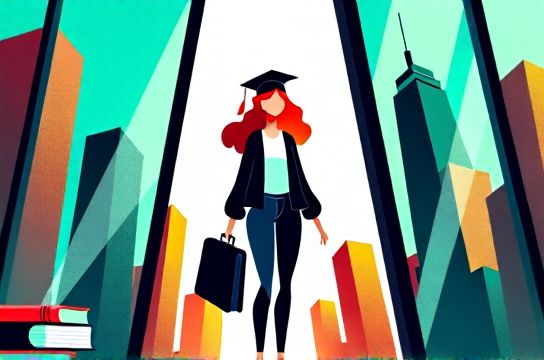
Gone are the days when a woman’s worth was measured by marriage prospects or domestic skills. Today’s young women are smashing glass ceilings, rejecting outdated stereotypes, and carving out identities on their own terms. Let’s dive into how—and why—this transformation is happening.
The Data Doesn’t Lie: Women Are Rising
Numbers tell a powerful story. Consider this: in 2023, women earned 59.5% of all bachelor's degrees in the U.S., according to the National Center for Education Statistics. More strikingly, they now make up nearly 50% of the workforce in fields like law and medicine—areas once dominated by men.
Here’s a snapshot of women’s progress across key sectors:
| Sector | Women’s Representation (2023) | Change Since 2000 |
|---|---|---|
| Higher Education Graduates | 59.5% | +12.3% |
| STEM Occupations | 28% | +9% |
| Congress (U.S.) | 28% | +20% |
| Fortune 500 CEOs | 10.6% | +7.6% |
While there’s still ground to cover—especially in tech and executive leadership—the momentum is undeniable.
Why Now? The Cultural Catalysts
Social media has become a megaphone for change. Platforms like TikTok and Instagram empower young women to share stories, challenge norms, and build communities around self-expression. Hashtags like #GirlBoss and #WomenInSTEM aren’t just trends—they’re movements.
Moreover, education plays a pivotal role. With greater access to information and global perspectives, today’s young women are more aware of systemic inequalities—and more determined to dismantle them.
Breaking the Mold at Home and Beyond
It’s not just about careers. Young women are reshaping personal relationships too. A 2022 Pew Research study found that 65% of millennials believe both partners should equally contribute financially and domestically—a stark contrast to previous generations.
Traditional expectations around marriage and motherhood are also being questioned. In fact, the average age for a first marriage among U.S. women has risen to 28.6, reflecting a prioritization of self-development over early family formation.
The Road Ahead: Challenges & Hope
Of course, challenges remain. The wage gap persists, with women earning roughly 82 cents for every dollar men earn. And in male-dominated industries, bias still lurks in hiring and promotion practices.
But here’s the good news: awareness is growing, policies are adapting, and young women aren’t backing down. They’re not asking for permission—they’re claiming space.
As one Gen Z activist put it: “We’re not breaking the glass ceiling—we’re building a new roof.”