
The Performance of Happiness: Social Media and Emotional Conformity in China
- Date:
- Views:281
- Source:The Silk Road Echo
In today’s hyper-connected China, scrolling through WeChat Moments or Douyin feels less like checking updates and more like watching a curated happiness show. Smiling selfies at brunch, scenic travel shots, flawless skincare routines — it's all there. But behind the glossy filters lies a deeper cultural phenomenon: emotional conformity. People aren’t just sharing joy — they’re performing it.
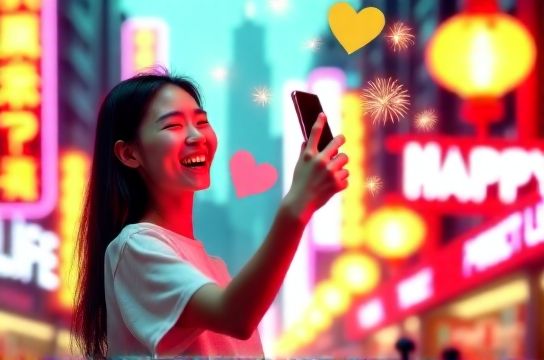
A 2023 survey by Peking University revealed that 68% of urban Chinese users admitted to editing their posts to appear more positive, even when feeling stressed or lonely. Why? Because on Chinese social media, looking happy is socially expected.
The Pressure to Perform Positivity
In collectivist cultures like China’s, social harmony is king. Expressing sadness, anger, or failure publicly can be seen as disruptive. So instead of venting, users opt for emotional self-censorship. This isn’t vanity — it’s survival in a digital world where your online image affects real-world opportunities.
Take job hunting: A Zhaopin.com report found that 41% of HR managers admit to checking candidates’ social media. Posts showing negativity or complaints could cost you the job. No wonder people craft feeds that scream ‘I’m thriving!’
Data Doesn’t Lie: The Emotional Gap
Here’s a snapshot of how emotions are portrayed vs. actually felt:
| Emotion | Posted Frequency (%) | Actual Feeling (%) |
|---|---|---|
| Happiness | 76% | 52% |
| Stress | 9% | 63% |
| Sadness | 5% | 38% |
| Excitement | 68% | 45% |
Notice the gap? Joy is overrepresented by 24 points. Meanwhile, stress — felt by most — is barely visible online. This mismatch fuels anxiety. When everyone else seems happy, you start questioning your own struggles.
Douyin, Red Notes, and the Aesthetics of Joy
Platforms like Douyin (TikTok) and Little Red Book (Xiaohongshu) amplify this trend. Viral content follows a formula: upbeat music, bright lighting, perfect makeup. Sad or raw videos rarely go viral. Algorithms reward positivity, pushing creators to perform rather than express.
One blogger confessed: ‘I filmed my breakup in tears… posted a smiling dance video the next day. The dance got 500K views. The sad clip? 2K.’
Is There Hope for Authenticity?
Yes — but it’s growing slowly. Anonymous forums like NieNet and late-night live streams are becoming safe zones for emotional honesty. Some influencers now share ‘real life’ vlogs — messy rooms, bad skin days, mental health talks.
Still, true change needs platform accountability and cultural shift. Until then, remember: what you see online is often a highlight reel, not reality.
So next time you feel inadequate comparing yourself to others’ feeds, pause. That perfect life? It’s probably staged. And your real emotions? They’re valid — even if they don’t get likes.