
Urbanization and Identity: How City Life Is Reshaping Chinese Youth Culture
- Date:
- Views:288
- Source:The Silk Road Echo
In the blink of an eye, China has transformed from a largely rural society into a hyper-urbanized powerhouse. Skyscrapers pierce the clouds, subways buzz beneath bustling streets, and for millions of young Chinese, city life isn’t just a backdrop—it’s reshaping who they are. From fashion to values, career dreams to dating habits, urbanization is rewriting the script of youth culture in ways both exciting and complex.
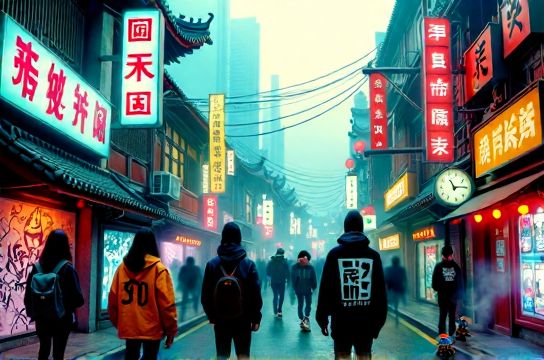
Consider this: in 1980, only 19% of China’s population lived in cities. Fast forward to 2024, and that number has skyrocketed to over 65%. That’s more than 900 million urban dwellers—many of them under 35. This massive migration isn’t just about geography; it’s a cultural earthquake.
The New Identity Playbook
Gone are the days when family reputation and hometown ties defined a young person’s identity. In cities like Shanghai, Shenzhen, and Hangzhou, youth are crafting selves based on personal achievement, lifestyle choices, and digital presence. A 2023 survey by Peking University found that 78% of urban youth prioritize "self-expression" over "family expectations." That’s a seismic shift.
Take 'slash careers'—the trend of being a designer/vlogger/barista all at once. Platforms like Xiaohongshu (Little Red Book) and Bilibili have turned side hustles into status symbols. It’s not just about money; it’s about identity. As one 26-year-old coder-turned-streetwear-blogger put it: "In my village, I was just the farmer’s son. Here, I’m someone new every day."
Data Snapshot: Urban vs. Rural Youth Priorities
| Value | Urban Youth (%) | Rural Youth (%) |
|---|---|---|
| Financial Independence | 82 | 54 |
| Personal Freedom | 76 | 41 |
| Career Innovation | 69 | 33 |
| Marriage by 30 | 44 | 72 |
As the table shows, city life isn’t just offering jobs—it’s offering new definitions of success. And with that comes tension. Many young people feel caught between their parents’ traditional expectations and their own urban aspirations. The term "lying flat" (tanping) didn’t emerge from comfort—it came from exhaustion.
The Digital Stage
City living amplifies visibility. Every outfit, meal, and weekend trip becomes content. According to QuestMobile, 89% of urban youth post about their lives online weekly. This constant curation fuels comparison but also community. Niche subcultures—indie music lovers, vegan foodies, retro sneaker collectors—are thriving in urban pockets.
Yet, there’s a flip side. The pressure to perform can be crushing. Mental health clinics in Beijing and Guangzhou report a 40% increase in anxiety cases among youth since 2020. Urban freedom, it turns out, comes with invisible chains.
Still, the momentum is undeniable. Cities aren’t just shaping Chinese youth—they’re becoming mirrors where a new generation sees itself, reimagined.