
Urban Dreams: The Identity Struggle of Migrant Workers' Children
- Date:
- Views:266
- Source:The Silk Road Echo
In the shadow of skyscrapers and neon lights, a quiet battle unfolds—one not of violence, but of identity. Millions of children born to migrant workers in China’s booming cities live in limbo, caught between rural roots and urban realities. These kids attend city schools, speak fluent Mandarin, and dream big dreams, yet often lack hukou—the household registration that grants access to public services. This gap shapes their lives in profound ways.
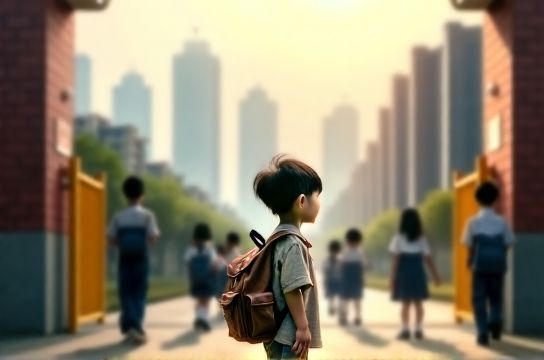
According to the National Bureau of Statistics, over 30 million children of migrant workers were living in Chinese cities in 2022. While 85% attend urban public or private schools, only about 35% hold local hukou. That means most are excluded from key benefits like subsidized healthcare, full public high school enrollment, and even college entrance exams in the city they call home.
The Schooling Gap: Numbers Don’t Lie
Let’s break it down with real data:
| Metric | With Local Hukou | Without Local Hukou |
|---|---|---|
| Public School Enrollment Rate | 98% | 76% |
| Average Class Size | 40 students | 52 students |
| Access to After-School Programs | 68% | 31% |
| High School Graduation Rate | 94% | 63% |
As you can see, the system stacks the deck against these kids. Even when they make it to school, overcrowded classrooms and limited support make success harder.
Cultural Tug-of-War: Who Am I?
Identity is more than paperwork—it’s belonging. Imagine being told your whole life that you’re 'from the countryside,' even if you’ve never lived there. Many migrant children feel alienated both in cities and during rare trips back to ancestral villages. They don’t fit neatly into either world.
Sociologist Li Na calls this the "in-between generation." In her 2021 study, nearly 70% of surveyed teens said they felt 'more urban' in mindset but were treated as outsiders. One 15-year-old from Shenzhen put it simply: 'I speak the dialect, I know the subways, I love hotpot—but my ID says I don’t belong here.'
Hopes on the Horizon?
Change is slow but visible. Cities like Chengdu and Hangzhou have piloted hukou reforms, allowing long-term residents to apply for local status. NGOs run mentorship programs, and some schools now offer psychological counseling tailored to migrant youth.
Still, structural barriers remain. Without nationwide policy shifts, millions will keep chasing urban dreams on shaky ground. As one teacher in Beijing said, 'These kids aren’t asking for special treatment—just a fair chance.'