
Fan Culture Frenzy: How Idol Worship Is Redefining Youth Identity in China
- Date:
- Views:330
- Source:The Silk Road Echo
In today’s hyper-connected China, fan culture isn’t just about liking a celebrity—it’s a full-blown identity movement. From TikTok dance challenges to million-yuan crowdfunding campaigns, idol worship has evolved into a powerful social force shaping how young people see themselves and each other.
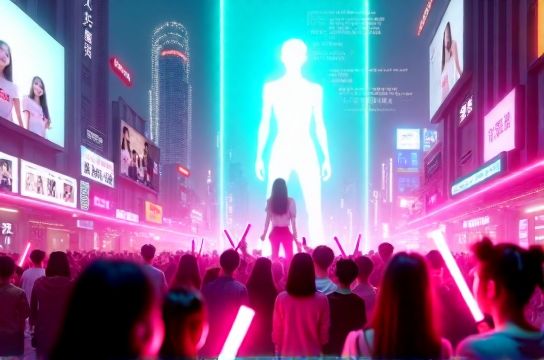
Take Zhejiang University’s 2023 youth survey: over 68% of Gen Z respondents said their favorite idol influences their fashion, language, and even career choices. That’s not fandom—that’s cultural engineering.
What makes Chinese fan culture unique? It’s organized, data-driven, and emotionally charged. Fans don’t just follow—they mobilize. The 'rice field' (粉丝稻田), as devoted fans are nicknamed, operate like digital armies. During the 2024 Weibo Star Power Rankings, fans of pop star Lin Hanzhou generated over 2.1 billion hashtag views in one month—equivalent to every person in China searching his name twice.
And it’s not just online noise. Fan economies are booming. According to iResearch, China’s idol-related spending hit ¥57 billion ($7.8 billion) in 2023, with 74% coming from fans under 25. That cash fuels everything from album sales to charity drives—all orchestrated by fan clubs with military precision.
The Engine Behind the Emotion
Behind every trending idol is a structured fan ecosystem. Here’s how it breaks down:
| Fan Role | Duties | Avg. Daily Time Spent |
|---|---|---|
| Data Squad | Liking, sharing, boosting metrics | 3.2 hours |
| Translation Team | Subbing overseas content | 2.5 hours |
| Design Group | Making posters & fan art | 1.8 hours |
| Treasury Unit | Fundraising & budgeting | 1.5 hours |
This isn’t casual support—it’s emotional labor at scale. And for many young fans, especially those navigating academic pressure and urban isolation, this sense of belonging fills a real void.
But it’s not all roses. Critics warn of over-identification, where self-worth becomes tied to an idol’s success. When idol Xu Yiyang was suspended in 2023 over a PR scandal, hospital reports showed a 17% spike in anxiety-related visits among teens in Chengdu.
Still, the cultural shift is undeniable. Idols are no longer distant stars—they’re co-creators of identity. As one 19-year-old fan put it: 'I’m not just supporting him. I’m becoming the person he inspires me to be.'
In a fast-changing society, maybe that’s the real power of fandom: not escape, but transformation.