
What Makes Chinese Street Food Irresistibly Unique
- Date:
- Views:230
- Source:The Silk Road Echo
If you've ever wandered through a night market in Chengdu or stumbled upon a sizzling wok vendor in Shanghai at midnight, you already know—Chinese street food isn't just about eating. It's an experience, a culture, and honestly, a lifestyle.
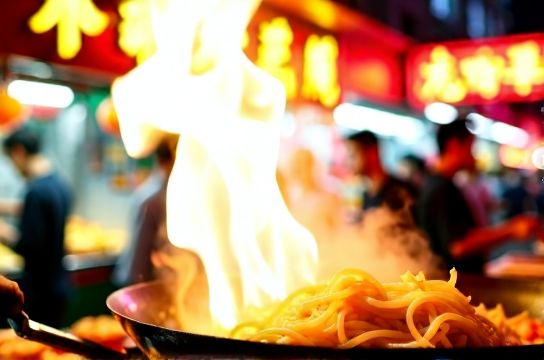
As a food blogger who’s eaten my way across Asia for over a decade, I can confidently say: Chinese street food stands in a league of its own. But what makes it so uniquely irresistible? Let’s break it down with real insights, local data, and a dash of street-smart wisdom.
The Flavor Science Behind the Sizzle
It all starts with wok hei—that magical 'breath of the wok' only high-heat stir-frying delivers. Vendors use flames that hit over 1,000°C, locking in smoky depth you just can’t replicate at home. This technique, perfected over generations, is why a $1 plate of chǎo miàn (stir-fried noodles) can outshine a five-star restaurant dish.
Then there’s the balance: sweet, sour, spicy, salty, umami, and even numbing (thanks to Sichuan peppercorns). Unlike many global cuisines that focus on one or two notes, Chinese street food hits all six—often in a single bite.
Regional Diversity You Can Taste
China isn’t just one food scene—it’s dozens. From Xi’an’s spiced lamb skewers to Guangzhou’s silky rice rolls, each region brings something bold and different. Here’s a snapshot of must-try street foods by area:
| Region | Dish | Price Range (USD) | Key Flavor |
|---|---|---|---|
| Sichuan | Chuān Chāo (Spicy Skewers) | $0.50–$1.20 | Numbing & Spicy |
| Beijing | Jiānbǐng (Savory Crepe) | $1.00–$1.80 | Crispy & Savory |
| Xi’an | Ròu Jiā Mó (Pork Burger) | $1.20–$2.00 | Rich & Spiced |
| Shanghai | Xiaolongbao (Soup Dumplings) | $0.30–$0.60 each | Umami & Juicy |
Notice the prices? That’s part of the magic. High flavor, low cost. According to a 2023 urban food economy report, over 68% of Chinese city dwellers eat street food at least twice a week—proving it’s not just tourists who crave it.
Why It Beats the Competition
You might ask: how does it stack up against Thai or Mexican street food? Great question. While those are amazing, Chinese street cuisine wins in complexity and variety. A single night market can offer more diverse dishes than entire blocks in other countries.
And let’s talk hygiene evolution. Old myths about unsafe street eats? Outdated. Cities like Hangzhou and Chengdu now license vendors with health ratings displayed publicly. Many use QR codes so customers can check ingredient sources—yes, really.
For deeper insights, check our full guide on what makes Chinese street food a global phenomenon. Or dive into the roots with this breakdown of authentic street food traditions across provinces.
The Bottom Line
Chinese street food isn’t trending—it’s timeless. With explosive flavors, deep cultural roots, and unbeatable value, it’s no wonder millions line up nightly for a taste. Whether you're a curious traveler or a flavor fanatic, skip the restaurants once in a while. The best meal might be waiting on a plastic stool by the roadside.