
Food Travel China A Guide to Authentic Local Eats
- Date:
- Views:310
- Source:The Silk Road Echo
If you're planning a food travel China adventure, forget the tourist traps and generic noodle bowls. The real magic? It’s sizzling in alleyway woks, steaming from bamboo baskets at morning markets, and slow-cooked over charcoal in family-run joints that don’t even have a sign. As someone who’s eaten my way through 15 provinces—from the fiery depths of Sichuan to the delicate dim sum parlors of Guangdong—I’m here to spill the beans on how to find truly authentic local eats.
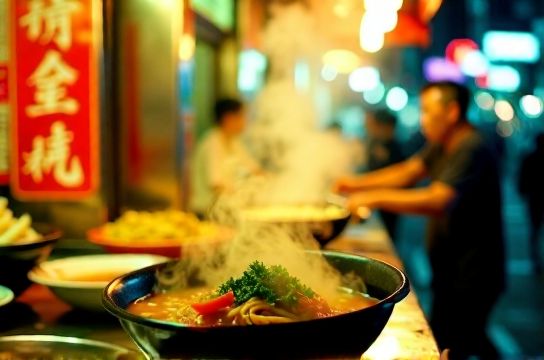
China isn’t just about Peking duck and dumplings (though those are great too). Each region has its own flavor DNA. Take Chengdu: it’s not just spicy—it’s málà, that numbing, tongue-tingling combo from Sichuan peppercorns and chili. Meanwhile, in Xi’an, street vendors slap dough for biangbiang noodles with theatrical flair before drowning them in chili oil and cumin. And let’s not forget Yunnan—where mushrooms you can’t even name end up in soups that taste like forest floor and sunshine.
So how do you eat like a local, not a lost backpacker Googling ‘best restaurants near me’? Here’s your insider playbook:
1. Skip the Apps, Follow the Lines
Forget Michelin or TripAdvisor when hunting for authenticity. Real gems rarely show up there. Instead, look for queues of locals—especially older folks. If a place is packed by 7 a.m. with salarymen clutching steamed buns, you’ve struck gold.
2. Eat by Region, Not Restaurant Type
China’s culinary map is wildly diverse. Here’s a quick cheat sheet of must-try regional specialties:
| Region | Signature Dish | Flavor Profile | Best Time to Try |
|---|---|---|---|
| Sichuan | Mapo Tofu | Spicy, numbing (málà) | Year-round |
| Guangdong (Cantonese) | Har Gow (shrimp dumplings) | Delicate, fresh | Weekend dim sum |
| Shaanxi | Biangbiang Noodles | Savory, chewy, chili-kissed | Lunchtime |
| Yunnan | Crossing the Bridge Noodles | Rich broth, floral herbs | Morning |
Pro tip: Learn three phrases in Mandarin—‘Rénqì’ (popular), ‘Tèsè’ (specialty), and ‘Zìjǐ rén chī de’ (what locals eat). Use them at markets, and watch doors open.
3. Markets Over Malls
No place beats a wet market for food truth. In Kunming, the Flower and Bird Market doubles as a breakfast paradise—try sticky rice rolls wrapped in lotus leaf. In Guangzhou, Qingping Market smells of star anise and roasting meats. Arrive early, bring cash, and point boldly.
And if you’re serious about leveling up your culinary travel in China, take a street food tour with a local guide. Not the scripted kind—but ones run by food bloggers or chefs. They’ll decode menus, warn you about fake ‘local’ spots, and maybe even introduce you to a grandma frying scallion pancakes in her doorway.
Bottom line? The best meals in China aren’t found—they’re discovered. So ditch the guidebook, follow your nose, and don’t fear the unmarked door. For more tips on where to eat, check out our ultimate guide to authentic Chinese street food.