
Tasting the Pulse of China at Local Markets
- Date:
- Views:259
- Source:The Silk Road Echo
If you really want to understand China, skip the tourist traps and head straight to the morning chaos of a local market. I’ve spent over three years exploring street markets from Chengdu to Kunming, and let me tell you—this is where real Chinese culture lives. Not in museums, but in steaming baskets of baozi and haggling aunties selling fresh lotus roots.
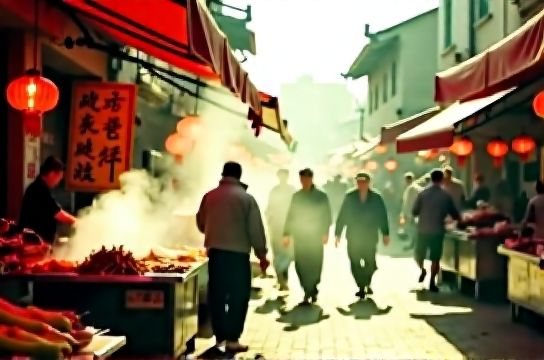
Local markets aren’t just about food—they’re sensory overload in the best way. Think vibrant colors, sizzling grills, and the unmistakable scent of Sichuan peppercorns hitting hot oil. But more than that, they’re economic barometers. A 2023 report by China’s Ministry of Commerce showed that over 78% of fresh produce in urban areas still moves through traditional wet markets, not supermarkets.
So how do you navigate this delicious madness? Here’s my insider breakdown:
Top 5 Must-Visit Local Markets in China
| Market | City | Specialty | Best Time to Visit |
|---|---|---|---|
| Duobao Market | Beijing | Dried herbs, street snacks | 6:00–9:00 AM |
| Jinli Street Market | Chengdu | Sichuan spices, spicy tofu | 5:30–8:30 PM |
| Fangjia Street | Xi’an | Islamic snacks, lamb skewers | Evening rush |
| Yunguang Market | Kunming | Fresh mushrooms, Yunnan coffee | 7:00–10:00 AM |
| Shilin Night Market | Taipei (accessible from mainland) | Bubble tea, oyster pancakes | 6:00–11:00 PM |
Pro tip: Go early. By 10 AM, the best stuff is gone. Also, bring cash—many vendors don’t take digital payments unless you’re in major cities.
Now, why should you care about local markets in China? Because they offer authenticity you can’t fake. Supermarkets serve convenience; markets serve culture. I once watched a grandma hand-pull noodles for 20 minutes just for one bowl. That kind of dedication? You won’t find it in a chain restaurant.
And if you're worried about language, don’t be. Pointing works 90% of the time. Smile, say “yī diǎn” (a little), and you’ll walk away with something amazing. Bonus: most dishes cost under ¥10 ($1.40 USD).
But beyond flavor, these markets are windows into daily Chinese life. They reflect regional diversity, seasonal shifts, and community rhythms. When lychees flood the stands in Guangzhou? It’s summer. When dried tangerine peel appears in Chongqing? Winter’s coming.
In short, if you want to taste the pulse of China, follow the smell of frying dumplings. Your stomach—and your soul—will thank you.