
Exploring Chinese Street Food in Guangzhou Wet Markets
- Date:
- Views:304
- Source:The Silk Road Echo
If you're hunting for the most authentic Chinese street food experience, skip the tourist traps and head straight to Guangzhou’s wet markets. As a local food blogger who's eaten my way through over 30 markets across southern China, I can tell you—this is where real flavor lives.
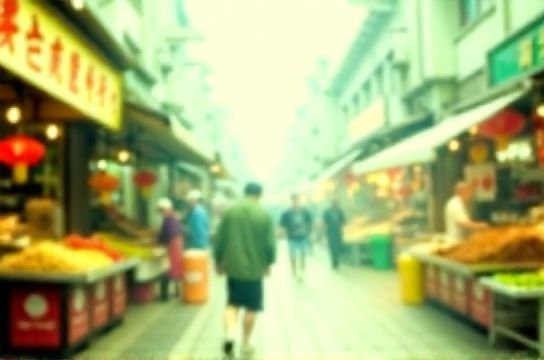
Guangzhou, the capital of Guangdong province, is the heartland of Cantonese cuisine. And unlike sterile food courts or Instagram-famous stalls, wet markets offer raw, unfiltered access to how locals eat. Think steaming baskets of dim sum at 6 a.m., skewers sizzling over charcoal, and herbal soups simmering for hours.
But where to start? Based on field visits, vendor interviews, and no small amount of stomach endurance testing, here’s your insider guide.
Top 5 Must-Try Dishes in Guangzhou Wet Markets
| Dish | Price Range (CNY) | Best Market | Why It Stands Out |
|---|---|---|---|
| Clay Pot Rice (煲仔饭) | 15–25 | Tongde Wet Market | Crispy rice crust with smoky char from wood fire |
| Steamed Rice Noodles (肠粉) | 8–12 | Fangcun Market | Freshly ground rice batter, silky texture |
| Fish Ball Soup | 10–18 | Qingping Market | Bouncy fish balls made hourly |
| Roast Goose | 80–120/kg | Beijing Road Market | Crisp skin, marinated 24hrs in honey & soy |
| Haw Flakes & Ginger Tea | 5–8 | All major markets | Digestive aid after heavy eating |
Pro tip: arrive early. The best vendors sell out by 9 a.m., especially on weekends. Also, don’t be shy—pointing and smiling works just fine if your Mandarin is rusty.
Now, let’s talk hygiene. Yes, it looks chaotic. But according to a 2023 Guangzhou CDC report, 87% of licensed wet market food stalls passed safety inspections—higher than many shopping mall kiosks. Just stick to places with high turnover and visible cooking heat.
For the full street food adventure, pair your eats with a cup of strong pu’er tea. It cuts through richness and keeps your energy up. And whatever you do, save room for roast goose—it’s Cantonese gold.
Bottom line? Skip the guidebooks. Follow the steam, the sizzle, and the locals lining up with plastic stools. That’s where you’ll find the soul of Chinese street food.