
Understanding Tea Culture China Beyond the Basics
- Date:
- Views:172
- Source:The Silk Road Echo
If you've ever sipped a warm cup of Longjing or watched a traditional Gongfu tea ceremony, you already know that tea culture China is about way more than just boiling leaves. But here’s the real tea — most people only scratch the surface. Let’s dive into what makes Chinese tea culture truly unique, backed by history, habits, and hard data.
Why Chinese Tea Stands Out Globally
China produces over 2.9 million tons of tea annually — that’s nearly 40% of the world’s total (FAO, 2023). But quantity isn’t the only thing turning heads. It’s the depth of tradition, regional diversity, and ritualistic preparation that sets tea culture China apart.
From farmers in Fujian to urban tea houses in Chengdu, tea isn’t just a drink — it’s a social glue, a health practice, and an art form. And with six main categories of tea, each with distinct processing methods and flavor profiles, there's something for every palate.
The Six Main Types of Chinese Tea
Not all teas are created equal — especially in China. Here's a quick breakdown:
| Type | Oxidation Level | Top Regions | Annual Production (Est.) |
|---|---|---|---|
| Green Tea | 0–10% | Zhejiang, Anhui | 1.8 million tons |
| Oolong Tea | 10–70% | Fujian, Guangdong | 350,000 tons |
| Black Tea (Red Tea) | 80–90% | Yunnan, Sichuan | 400,000 tons |
| White Tea | 5–10% | Fujian | 80,000 tons |
| Pu-erh Tea | Varies (aged) | Yunnan | 120,000 tons |
| Yellow Tea | 10–20% | Hunan, Sichuan | 15,000 tons |
As you can see, green tea dominates production — but oolong and Pu-erh are where connoisseurs really geek out. Speaking of which…
The Ritual: Gongfu Cha Explained
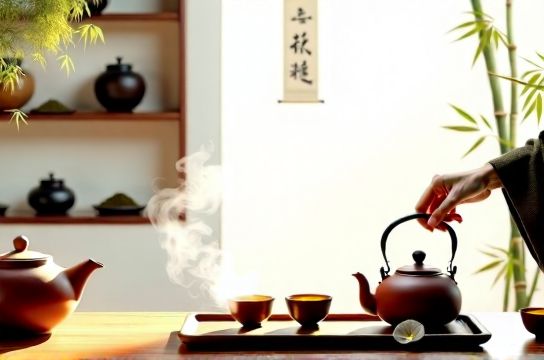
Gongfu cha (功夫茶), or “tea with skill,” is the gold standard in Chinese tea service. Using small clay Yixing teapots or Gaiwans, enthusiasts brew concentrated infusions with multiple short steeps — sometimes up to 10+ rounds from one batch of leaves.
Why bother? Because it reveals how a tea evolves — first sharp and bold, then smooth and floral. It’s not just about taste; it’s mindfulness in liquid form.
Tea Culture China in Daily Life
In cities like Guangzhou and Hangzhou, tea houses buzz from morning till night. According to a 2022 survey, over 68% of Chinese adults drink tea daily, compared to just 22% in the U.S. That’s not just habit — it’s heritage.
And it’s not slowing down. The domestic tea market hit $35 billion in 2023 (Statista), fueled by younger drinkers embracing both tradition and innovation — like milk tea brands using premium loose-leaf bases rooted in tea culture China.
Final Steep: How to Appreciate It Like a Local
Want to go beyond the basics? Start by trying one true artisanal tea — maybe a Tieguanyin oolong or aged Pu-erh. Pay attention to aroma, mouthfeel, and aftertaste. Better yet, visit a local tea house or join a tasting group.
Remember: in China, tea isn’t rushed. It’s shared, studied, and savored. Once you understand that, you’re no longer just drinking tea — you’re living it.