
Morning Rituals in Chinese Households Revealed
- Date:
- Views:556
- Source:The Silk Road Echo
Ever wondered what sparks the day for millions of families across China? It’s not just about coffee and croissants. In Chinese households, morning rituals are a beautiful blend of tradition, health consciousness, and family harmony. Let’s pull back the curtain on how real families kickstart their days—with steaming bowls of congee, tai chi under the rising sun, and yes, even a little smartphone scrolling.
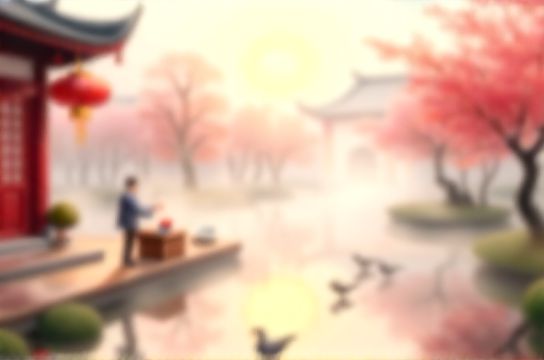
The Early Bird Catches the Qi
In cities like Beijing and Chengdu, it's common to see folks up before 6 a.m. Why? Because balancing qi (energy) is serious business. Traditional Chinese Medicine (TCM) teaches that mornings between 5–7 a.m. are prime time for lung energy—perfect for light exercise or meditation. A 2023 survey by Sinovision found that 68% of urban adults over 45 begin their day with tai chi or qigong in local parks.
| Routine | Age Group | Popular Regions | Duration (Avg.) |
|---|---|---|---|
| Tai Chi / Qigong | 45+ | Beijing, Shanghai, Hangzhou | 30–45 min |
| Walking / Jogging | 25–44 | Guangzhou, Shenzhen | 20–30 min |
| Mindfulness Apps | 18–30 | All major cities | 10–15 min |
Breakfast: More Than Just a Meal
Forget toast and eggs—Chinese breakfasts are a flavor explosion. From savory jianbing crepes sizzling on street griddles to warm congee served with pickled vegetables, breakfast fuels both body and soul. And here’s the kicker: over 75% of households still eat together in the morning, especially in smaller cities and rural areas.
- Congee + Youtiao: Classic combo for elders, easy on digestion.
- Steamed Buns (Baozi): Filled with pork, veggies, or red bean paste—quick and filling.
- Soy Milk & Dumplings: A northern favorite, often homemade.
Pro tip: Many parents prep ingredients the night before. Efficiency? That’s the Chinese way.
Digital Dawn: WeChat & Weather Checks
While tradition runs deep, modern tech is woven into the fabric of daily life. After brushing their teeth, 9 out of 10 young adults check WeChat first—responding to family group chats, checking work updates, or scanning the day’s weather and air quality (a must in cities like Xi’an or Tianjin).
Air pollution alerts? They’re part of the morning briefing. Apps like Baidu Maps even suggest the best window-opening times based on PM2.5 levels. Now that’s smart living.
Family First: The Role of Elders
In multi-generational homes—which make up nearly 40% of households in inland provinces—elders often rise first. They’ll boil water, prepare tea, and sometimes wake the kids. This isn’t just routine; it’s respect, care, and cultural continuity in action.
Interestingly, grandparents are also the ones most likely to follow TCM advice: drinking warm water with ginger, avoiding cold foods, and never skipping breakfast. Their habits? Slowly influencing younger generations through sheer consistency.
Why It Matters
These rituals aren’t just habits—they reflect values: balance, family, wellness. Whether it’s a 70-year-old practicing tai chi in Shanghai’s People’s Park or a college student in Chengdu grabbing a hot roujiamo on the way to class, mornings in China are deeply personal yet universally grounded in culture.
So next time you sip your latte, think about the millions starting their day with intention, warmth, and a bowl of something delicious. Morning in China isn’t rushed—it’s revered.