
How Tea Culture China Shapes Everyday Moments
- Date:
- Views:207
- Source:The Silk Road Echo
Tea isn’t just a drink in China—it’s a rhythm of life, a quiet companion from morning chats to late-night reflections. For over 5,000 years, tea culture China has woven itself into the fabric of daily rituals, social bonds, and even spiritual practices. Whether you’re sipping delicate Longjing in Hangzhou or sharing a pot of strong pu-erh in Yunnan, tea is never just about flavor—it’s about connection.
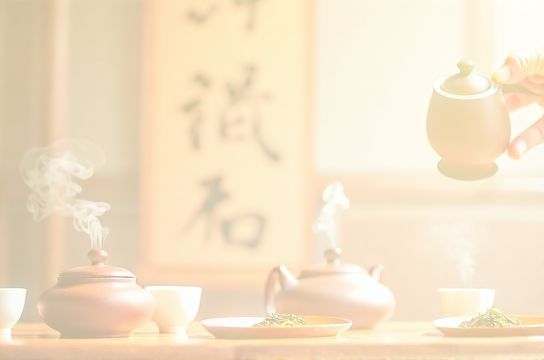
The Heartbeat of Chinese Daily Life
In homes, offices, and street-side stalls, the ritual of brewing tea marks time. Grandparents start their day with a gaiwan steeped in Tieguanyin, while coworkers bond over shared pots of jasmine tea. It’s not rushed; it’s respected. This slow, mindful practice reflects a cultural value: presence. In a world obsessed with speed, China’s tea moments invite pause.
Popular Teas & Their Cultural Roles
From mountain mist to city teahouses, different teas play unique roles across regions. Here’s a snapshot of China’s most cherished brews:
| Tea Type | Region | Caffeine Level | Average Price (RMB/kg) | Cultural Significance |
|---|---|---|---|---|
| Longjing (Dragon Well) | Zhejiang | Medium | 800–3,000 | Spring harvest symbol, gift of respect |
| Pu-erh | Yunnan | High | 200–5,000+ | Aged for years, investment & health |
| Tieguanyin | Fujian | Medium-High | 300–1,200 | Oolong favorite, gongfu tea staple |
| Jasmine Tea | Fujian/Guangxi | Low-Medium | 150–600 | Sweet aroma, everyday comfort |
This isn’t just about taste—it’s about identity. Each cup tells a story of soil, season, and skill.
Tea Rituals: More Than Just Brewing
The gongfu cha method—literally "making tea with skill"—turns preparation into art. Using small clay Yixing pots, multiple short steeps unlock evolving flavors. It’s common in southern China, especially during family gatherings or business meetings. The process says: "I value your time."
Even simpler customs carry weight. Offering tea to elders is a sign of respect; spilling a few drops before drinking honors the spirits of the leaves. These gestures, subtle as they are, keep tradition alive.
Modern Twists on an Ancient Habit
While traditional tea houses thrive, a new wave is rising. Cities like Chengdu and Shanghai now boast tea bars blending matcha lattes with boba vibes, attracting younger crowds. Yet even here, heritage sneaks in—many use organic, single-origin leaves and educate drinkers on terroir.
According to a 2023 report by the China Tea Marketing Association, domestic tea consumption hit 2.5 million tons last year, with 68% of urban millennials drinking tea weekly—proving that tea culture China isn’t fading; it’s evolving.
How to Experience Authentic Tea Culture
- Visit a local teahouse: Skip the tourist spots. Ask locals for hidden gems where regulars play mahjong over endless refills.
- Try gongfu brewing at home: Start with a glass gaiwan and some Tieguanyin. Pay attention to water temperature and steep time.
- Attend a tea ceremony: Cities like Suzhou offer immersive experiences complete with silk robes and pipa music.
Tea in China isn’t performative—it’s personal. And once you’ve felt the warmth of a shared pot, you’ll understand: this culture isn’t brewed in minutes. It’s steeped in centuries.