
Qingdao Travel Tips Using Local Buses
- Date:
- Views:406
- Source:The Silk Road Echo
If you're planning a trip to Qingdao, skip the taxis and dive into the local bus system—it's cheaper, efficient, and way more authentic. As someone who’s explored every corner of this coastal gem using public transit, I’m sharing insider Qingdao travel tips that’ll save you time, money, and stress.
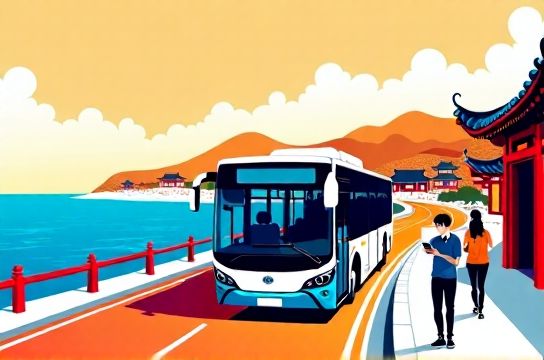
First off, Qingdao’s bus network covers over 95% of tourist hotspots—from Zhanqiao Pier to Laoshan Mountain. With more than 300 routes operated by Qingdao Trolleybus Company, buses run every 5–10 minutes during peak hours (6:30–8:30 AM & 5–7 PM). And the best part? A single ride costs just ¥1–2, with air-conditioned or long-distance buses at ¥2.
Here’s a quick comparison of transport options:
| Transport | Avg Cost per Ride | Coverage | Tourist-Friendly? |
|---|---|---|---|
| Local Bus | ¥1–2 | ★★★★★ | ★★★★☆ |
| Subway | ¥3–6 | ★★★★☆ | ★★★★★ |
| Didi/Taxi | ¥15–40 | ★★★★★ | ★★★★★ |
Now, here’s how to actually use the system like a pro. Download “Qingdao Public Transport” or Baidu Maps—Google doesn’t cut it here. Set your destination, and the app will show real-time bus arrivals, transfers, and walking directions. Pro tip: Enable offline maps in case your data fails.
Most buses display route info in both Chinese and English, especially on newer models. Look for signs like “Bus No. 6 → Xiaoyushan Park”. If unsure, scan the QR code on the bus stop sign—it links directly to live arrival data.
Payment is super easy. You can use Alipay’s “Ride Code” (search “Qingdao Public Transport” in mini-programs), or tap your UnionPay card on NFC readers. Cash works too, but exact change is required—drivers won’t make change!
One underrated travel hack: Buy a Qingdao Pass Card (¥20 deposit) at major stations. It gives you a 10% discount per ride and seamless transfers within 1 hour. Tourists often miss this, but locals swear by it.
Worried about language barriers? Don’t be. Key tourist routes like Bus 26 (coastal loop) and Bus 304 (to Laoshan) have audio announcements in Mandarin and English. Just listen for stops like “May Fourth Square” or “Badaguan Scenic Area.”
Final tip: Avoid rush hours if possible. Buses get packed, especially Line 301 and 2. Also, keep an eye out for express buses marked “K” (e.g., K1, K3)—they skip minor stops and are faster during commutes.
In short, riding local buses isn’t just budget-friendly—it’s a cultural experience. You’ll rub shoulders with students, fishermen, and retirees, all while soaking in seaside views. For real Qingdao travel tips, trust the locals: go by bus.